Saturday, November 15, 2025

17 Amazing Benefits of Papaya Seeds and How to Use Them as Natural Remedies

by


Papaya seeds are small but incredibly powerful. Often discarded, these tiny black seeds are loaded with enzymes, antioxidants, and essential nutrients that can boost your health in many ways. From improving digestion to fighting infections and supporting detoxification, papaya seeds are a true natural remedy that deserves a place in your wellness routine.1. Rich in AntioxidantsPapaya seeds are full of polyphenols and flavonoids, natural compounds that fight oxidative stress and help slow down aging.2. Improves DigestionThe enzyme papain in papaya seeds helps break down proteins, promoting smoother digestion and reducing bloating or constipation.3. Fights Parasites and BacteriaPapaya seeds are known for their powerful antiparasitic and antibacterial properties. They help eliminate harmful microbes from the digestive tract naturally.4. Supports Liver HealthThese seeds help detoxify the liver and protect it from toxin buildup. Consuming them regularly in small amounts may help cleanse and rejuvenate the liver.5. Protects the KidneysThe antioxidants in papaya seeds can help protect the kidneys from damage and maintain proper function, especially in people


with high blood pressure or diabetes.6. Lowers Bad CholesterolPapaya seeds contain healthy monounsaturated fats and fiber that help lower LDL (bad cholesterol) and promote cardiovascular health.7. Reduces InflammationTheir anti-inflammatory compounds help ease joint pain, arthritis, and chronic inflammation throughout the body.8. May Help Prevent CancerEarly research suggests that papaya seed extracts may inhibit the growth of certain cancer cells, thanks to their antioxidant and immune-boosting effects.9. Boosts Heart HealthBy reducing cholesterol, inflammation, and oxidative damage, papaya seeds support overall heart health and improve blood circulation.10. Aids in Weight LossTheir fiber content keeps you full for longer, reduces sugar cravings, and helps regulate metabolism — making them a natural weight management aid.11. Enhances Skin HealthPapaya seeds contain nutrients that support skin repair, reduce acne-causing bacteria, and promote a youthful glow.12. Strengthens the Immune SystemRich in vitamins, enzymes, and antioxidants, papaya seeds strengthen the immune system and help the body fight off infections naturally.13. Supports Menstrual HealthTraditionally, papaya seeds are used to help regulate menstrual flow and relieve cramps due to their mild hormonal and anti-inflammatory effects.14. May Increase Platelet CountSome people use papaya seeds to help restore platelet count during illnesses like dengue fever, as they may support blood regeneration.15. Natural DetoxifierPapaya seeds help cleanse the intestines and flush toxins from the body, supporting overall detoxification and liver function.16. Relieves Food PoisoningDue to their strong antimicrobial properties, papaya seeds can help fight bacteria responsible for food poisoning


and promote faster recovery.17. Packed with NutrientsThey provide proteins, healthy fats, fiber, and minerals such as magnesium, calcium, and phosphorus — making them a concentrated source of nutrition.How to Use Papaya Seeds as Natural RemediesMethod How to UseRaw Seeds Scoop seeds from ripe papaya, wash, and chew ½ teaspoon daily. The flavor is peppery and slightly bitter.Powder Form Dry and grind the seeds, then sprinkle the powder on smoothies, salads, or soups.Detox Drink Mix crushed seeds with warm water, lemon juice, or honey, and drink it as a detox tonic.Topical Paste Mash seeds with aloe vera or coconut oil and apply to the skin to reduce acne or inflammation.Cooking Ingredient Use ground papaya seeds as a natural meat tenderizer or spice in recipes.PrecautionsDo not consume large amounts — start with a small dose (about ½ teaspoon daily).Avoid during pregnancy or breastfeeding.People with allergies or on medication should consult a doctor first.Overuse can cause mild stomach discomfort in some individuals.ConclusionPapaya seeds are an underrated superfood packed with healing properties. From detoxing your body to protecting vital organs, they offer a natural and affordable way to enhance health. Use them wisely and moderately to enjoy their full benefits.


7 marks of true affection that reveal deep love within a couple

by


Small everyday gestures say a lot about the depth of a romantic bond. Here are the spontaneous attitudes that demonstrate an emotional connection far stronger than simple physical attraction.

7 signs of attachment that demonstrate sincere passion in your romantic relationship

When love is authentic, each moment experienced together takes on a magical dimension. Discover 7 revealing behaviors which prove that a man is deeply in love... and that his body language says a lot about his feelings.

  1. His gaze transmits a thousand emotions

Couple exchanging a knowing look

It's not just an exchange of glances. When he observes you with this particular intensity, it is as if he wants to engrave every feature of your face in his heart. This nonverbal communication expresses a exclusive attention and a real need for emotional fusion.

continued next page


  1. The way he pronounces your first name

When your name resonates with this characteristic sweetness, it instantly creates an intimate atmosphere. Much more than a simple word, it is a way of celebrate your uniqueness, as a discreet tribute to what you embody in his life.

  1. Kisses that tell a story

Far from mechanical gestures, these moments when he takes the time to feel every second of tenderness demonstrate one quest for emotional harmony, much deeper than simple physical desire.

  1. Your well-being comes first

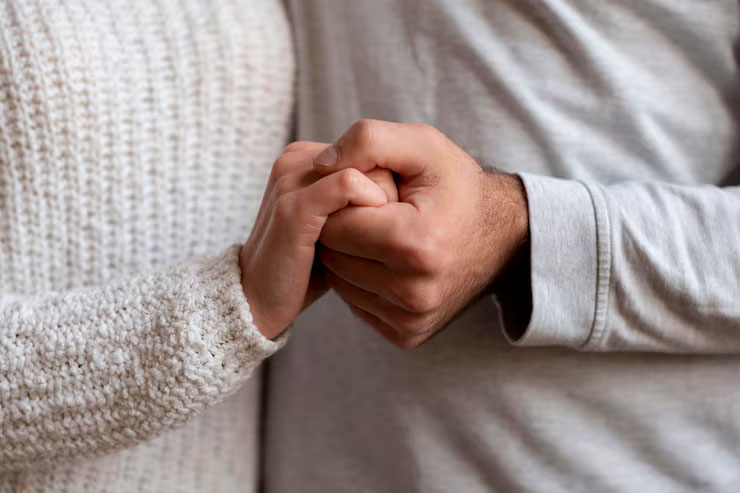
Couple holding hands tenderly

These little touches ("Do you need anything? ", "Can I help you? ") which seem insignificant reveal in truth a permanent concern for your comfort. It is true love that is hidden in everyday actions.

  1. The clock seems to stop

No urgency, just the desire to savor every minute. This ability to slow down time shows that he favors the depth of the exchange rather than performance. As if every second shared was a precious gift.


  1. Post-intimacy moments

These moments when he holds you close, as if to prolong the bond, are often the most significant. This resistance to separation shows that the emotional connection endures long after the act of love.

    1. Absolute trust: sleeping together

Sleeping couple embracing

Letting yourself go completely into the arms of Morpheus, sometimes even into ungraceful positions, is the ultimate mark of emotional security. When a man can show your vulnerability without fear of judgment, love has created a sanctuary of mutual acceptance.


COVID-19 vaccine: four years later, the list of persistent symptoms continues to grow.

by


A look back at Covid-19 (1/10)
In December 2019, a new virus that appeared in China spread rapidly across the world, alarming the highest authorities, notably the World Health Organization (WHO). A highly contagious infectious disease, called COVID-19, has emerged, leading to an unprecedented pandemic.


The first cases diagnosed in France (2/10)
In France, the first cases were diagnosed at the end of January 2020 and the first deaths due to this new virus were recorded around twenty days later.
Confinement (3/10)
A national lockdown was introduced on March 17, 2020. It was lifted a little less than two months later, but wearing a mask became compulsory. The authorities, in collaboration with the Pasteur Institute, are considering a vaccination campaign.


Many questions remain unanswered (4/10)
Several pharmaceutical companies (Pfizer, AstraZeneca, Moderna, Johnson & Johnson, etc.) designed and offered their vaccines in record time. Many questions then arose.

Confirmed side effects (5/10)
After administering millions of vaccines and with almost five years of hindsight, medical specialists have been able to report several adverse effects such as high blood pressure, myocarditis/pericarditis, allergies or heavy menstrual bleeding.

Serious side effects?(6/10)
Even today, many people, including scientists, dispute that the COVID-19 vaccine causes multiple diseases. However, a study conducted a few months ago showed that this vaccine could cause serious side effects.
The study was conducted by the Global Vaccine Data Network among more than 99 million people. Eight countries participated in this project (Argentina, Australia, Canada, France, Denmark, Finland, New Zealand and Scotland), and the results were published in the journal Vaccine.


Words from researchers (8/10)
"Most of the people vaccinated were between 20 and 59 years old, and it was in France that the greatest number of doses were administered", explained the researchers, specifying that the vaccines came from Pfizer, Moderna and AstraZeneca. These results did not reassure health professionals, and even less patients.
Guillain-Barré syndrome and venous thrombosis (9/10)
Researchers observed an increase in cases of Guillain-Barré syndrome and cerebral venous thrombosis after administration of the first dose of the AstraZeneca vaccine. Guillain-Barré syndrome is mainly characterized by muscle weakness, while venous thrombosis is the formation of a blood clot in a vein, obstructing blood flow to the rest of the body. French basketball player Victor Wembanyama suffered from this condition a few months ago, which forced him to end his season.

Further research is needed (10/10)
Additionally, all vaccines significantly increased the risk of myocarditis and pericarditis (inflammation of the myocardium, the muscle responsible for heart contraction and blood flow throughout the body). "Other problems have been identified and require further investigation", the review said. The researchers emphasize that more research is needed to determine the link between the vaccine and these side effects.

Faced with this alarming situation, vaccines against COVID-19 have been urgently developed. After almost five years of observation and analysis, we now know the side effects of the different vaccines received.

🍳 Airfryer poached eggs

by


⭐ Advantages

⚡ Fast – ready in less than 10 minutes
👌 Easy – simple and accessible method
💚 Healthy – without oil
🧽 Clean – no boiling water
🤲 Practical – we throw and we forget

🛒 Ingredients

🥚 Eggs (as needed)
🥣 Heat-resistant ramekins or bowls
💧 Hot water
🧂 Salt and pepper (optional)
🫒 Oil spray (optional)
🍳 Airfryer


👩‍🍳 Preparation

1️⃣ Preheat the Airfryer to 170°C (340°F) for 2–3 minutes
2️⃣ Spray the ramekins lightly with oil and pour in 3 tbsp. to s. hot water
3️⃣ Carefully break an egg into each ramekin
4️⃣ Place the ramekins in the basket and cook for 5 to 7 minutes depending on the desired doneness
• 5 min → runny yellow
• 6 min → yellow slightly set
• 7 min → firm yellow
5️⃣ Remove carefully, remove the egg with a spoon, drain and serve immediately

💡 Tips

🔥 Always use hot water
🌬️ Do not overload the basket
🍳 Test with a single egg the first time
🌿 Season after cooking


😋 Variants

🧀 Add a little grated cheese to the ramekin before the egg
🌶️ Sprinkle with chili pepper or fresh herbs after cooking

Here's how to remove white patina from glasses and make them shine with a cool tip

by


Over time, glass can tarnish and lose its former shine. A sort of white patina appears, which modifies the transparency and shine of the glass.

Traces of scale and corrosion are the main causes of this white gas, intended for cleaning glass. If you choose to use a washing machine or drum dishwasher, the tweezers will have difficulty removing it.

Here are some tips to help remove stubborn scratches and break up shiny glass.

Do you want to offer a drink to your guests, but your glass seems dull and frosty? Don't worry, there are ways to get rid of white spots on your windows.

To wipe windows and make them shine, proven cleaning products include m.in black soap, dishwashing liquid, lemon juice and even spirit vinegar. What about frosted glasses that have lost their shine?

Focus on the best tips for cleaning your lenses and removing unwanted stains.

3 Great Ways to Remove White Patina from Glass For
peeling, cleaning or removing glass, these 3 methods are very effective:

Sodium bicarbonate:

See more on the next page


Baking soda is a multifunctional product that works well on a variety of surfaces around the home. It is used to remove clothes, clean the refrigerator, toilet or greasy stains on legs, pots and pans – this product is essential for eco-friendly cleaning.

In its case, it can have whitening properties and is very effective in removing dirt and stains from wooden furniture, carpets, clothing or dishes. To use, mix baking soda with a small amount of water until it reaches a light consistency.

Then spread it inside and outside the glasses and let it swirl for 10 minutes. Then gently rub the surface with a mild gas, without leaving any marks or protective film.

Finally, rinse with clean water and use dry gauze to rinse and remove limescale deposits.

White vinegar:

White vinegar is an ORGANIC product that everyone is talking about now. Thanks to its disinfectant, anti-limescale, deodorizing and disinfectant properties, this ingredient is a cleaning agent that perfectly replaces bleach.

In fact, this allows optimal handling without the use of chemicals harmful to the environment. To start cleaning the glass, use gauze soaked in white vinegar and gently wipe the exterior and interior surfaces of the glass.


After rinsing with water, let the product mix for 2 minutes, then let the glasses dry.

This technique involves three all-purpose bleaches. The taste of Marseille is 100% natural and has strong degrading properties.

In addition, it allows you to thoroughly clean various surfaces and remove the most stubborn dirt. Lemon juice contains citric acid and allows you to disinfect, clean and shine your entire home.

Pour 3 liters of water into a container with two liters of Marseille liquid, white vinegar and lemon juice.

Mix everything, then dip the glasses in this dish and let sit for less than 12 hours. After this time, rinse the lenses and dry them with a microfiber cloth.

To avoid white stains on the glass, you should clean the glass regularly, as well as wash your clothes and wipe the glass with dry gauze immediately after each wash.

White balls in the throat: what causes caseum and how to remove it?

by


Caseum, this strange term which evokes cheese, hides a much less appetizing reality: clusters of dead cells and debris which lodge in the tonsils. But what causes this unpleasant buildup and how can it be effectively gotten rid of?

The tonsils and the caseum (1/11)

The caseum on the tonsils, often responsible for bad breath, forms in the tonsillar crypts due to the accumulation of dead cells, food debris and bacteria.

Differentiate the caseum from serious conditions (2/11)

Although generally benign, caseum should not be confused with more serious conditions requiring medical attention, such as white angina.

Causes of caseum (3/11)

Causes of caseum include poor oral hygiene and smoking, which promote the accumulation of debris in the tonsils.


Caseum complications (4/11)

The caseum can calcify into tonsil stones, causing discomfort and pain, and sometimes requiring medical treatment.

Elimination and consultation for the caseum (5/11)

Caseum can often be removed naturally, but an ENT consultation is recommended if the problem persists, for manual cleaning.

Advanced caseum treatments (6/11)

Treatments such as cryotherapy, laser, or tonsillectomy may be considered if the caseum persists despite cleaning.

Caseum prevention (7/11)

Good oral hygiene, hydration and the use of alcohol-free mouthwashes are essential to prevent caseum.


Consultation in case of caseum symptoms (8/11)

Consulting an otolaryngologist is recommended when caseum symptoms appear for appropriate diagnosis and treatment.

Relief of caseum symptoms (9/11)

Gargling with warm, salty water can relieve inflammation and eliminate caseum-causing bacteria.

Manual removal of the caseum (10/11)

Manual removal of the caseum with a cotton swab is possible but risky, it is better to leave this task to a professional.

Tonsillectomy in case of stubborn caseum (11/11)

As a last resort, a tonsillectomy may be necessary if the caseum becomes too invasive and resists treatment.

Alert! 8 Drugs That Cause Serious Dementia

by


Many people are unaware that certain common medications can seriously affect their memory and brain health. It’s essential to consider whether the medications you’re taking could be contributing to your cognitive decline. Can you identify these medications and avoid them to improve your quality of life? Recent research has shown that memory loss is not an inevitable consequence of aging. Some medications taken without proper guidance can have adverse effects on the mind. How can we protect our minds while treating other illnesses?
Omeprazole’s Dangers for the Brain
Omeprazole is widely prescribed to treat conditions such as heartburn. It belongs to the class of drugs known as proton pump inhibitors (PPIs), which also includes lansoprazole, pantoprazole, and esomeprazole. These drugs reduce stomach acid production, but their prolonged use has been linked to serious risks to brain health. Epidemiological studies show a link between PPIs and an increased risk of dementia and memory loss.
In one study of 6,000 participants, 10% of those who took omeprazole for 3 years experienced memory loss. Another study found that 33% of patients taking the drug for more than 4.5 years reported cognitive problems. This may be due to decreased absorption of vitamin B12, which is essential for neuronal function.
Omeprazole is often used without a prescription, but it is crucial to consult a doctor before starting long-term treatment. PPI treatment should generally be limited to periods of 2 weeks to 3 months, depending on needs and dietary adjustments.

Anticholinergics: The Hidden Side of Popular Drugs


Anticholinergics are used to treat various conditions, including Parkinson’s disease and urinary disorders. They work by blocking acetylcholine, a key neurotransmitter for memory and learning. Studies show that they increase the risk of dementia. For example, a study from the University of Washington followed more than 3,500 older adults for 10 years and found that those who regularly used anticholinergics had a 54% increased risk of developing dementia.
Common anticholinergics linked to cognitive decline include meclizine, scopolamine, biperiden, oxybutynin, and diphenhydramine. However, others such as glycopyrronium and tiotropium have not shown these effects. Patients and physicians should carefully weigh the risks and benefits of these medications.


Corticosteroids and the Brain
Corticosteroids are used to treat various inflammations and autoimmune diseases. However, prolonged use, especially oral use, can cause serious side effects such as disorientation, anxiety, and depression. A British study found that people taking corticosteroids long-term had a higher risk of developing dementia.
Glucocorticoids like prednisone affect brain function by altering levels of the stress hormone cortisol. Even inhaled corticosteroids like fluticasone can have negative effects if used in high doses or for a long time. It is essential that healthcare professionals closely monitor their use and consider alternative treatments.


Benzodiazepines: A Silent Risk to Memory
Benzodiazepines, such as alprazolam and diazepam, are prescribed to treat insomnia and anxiety. While effective in the short term, their prolonged use can double the risk of Alzheimer’s disease and cause permanent brain damage. One study found that 40% of people using these medications experience various neurological symptoms such as difficulty concentrating.
They are also associated with risks of physical and emotional dependence, making them difficult for many patients to stop. Doctors are considering non-pharmacological treatments such as behavioral therapy to treat anxiety and insomnia.
Amphetamines and the Memory Trap
Amphetamines are used to treat attention deficit hyperactivity disorder (ADHD). Although they temporarily improve concentration, prolonged use can lead to memory loss and other lasting cognitive damage. They are physically and emotionally addictive and can cause serious problems such as cardiac arrhythmias.


It is crucial that healthcare professionals carefully monitor their prescriptions. Non-pharmacological approaches such as behavioral therapy should also be considered.
First-generation antihistamines: Relief today, problem tomorrow
First-generation antihistamines, such as diphenhydramine, are used to treat allergies but can cause cognitive impairment due to their anticholinergic action. A recent study showed that their prolonged use is associated with an increased risk of dementia.
Less harmful alternatives like cetirizine are preferable for long-term allergy treatment. It is important to consult a doctor before taking these medications for an extended period of time.
Tricyclic antidepressants and memory loss
Tricyclic antidepressants, such as amitriptyline, increase the availability of several neurotransmitters but also have anticholinergic effects. This makes them associated with a higher risk of dementia and cognitive impairment, particularly in older adults.
Today, safer alternatives such as selective serotonin reuptake inhibitors (SSRIs) are available and offer a better safety profile.
Statins and cognitive function


tatins, such as simvastatin, modify cholesterol, but their prolonged use can cause memory impairment and mental confusion. Some studies show an increased risk, while others indicate protection against dementia, showing attenuated results.
Side effects such as muscle pain and digestive issues can also affect quality of life. It is important to discuss potential side effects with your doctor and monitor any cognitive symptoms.
In conclusion, self-medication and prolonged use of certain medications can negatively impact memory and cognitive function. Patients should always consult their physicians before starting or continuing treatment to discuss the risks and benefits and explore safer alternatives.
For your cognitive health and overall well-being, it is essential to have informed discussions about the risks of medications and to explore non-pharmacological treatments when possible.