Thursday, December 11, 2025

They taste absolutely amazing, rum balls just like from a pastry chef.

by


They taste absolutely amazing, rum balls just like from a pastry chef.

Ingredients:

100 g butter,
100 g icing sugar,
200 g milk chocolate (e.g., Milka Milk Chocolate)
, 100 g dark chocolate (e.g., Milka Dark Chocolate),
4 tbsp rum (54%)
, milk chocolate sprinkles for rolling


Preparation:

1. Cream the butter until very fluffy. Sift the powdered sugar and stir it into the butter. Melt the chocolate in a double boiler and fold it into the butter-sugar mixture along with the rum.


2. Allow the mixture to set in the refrigerator for about 1 hour.

3. Dip your hands in cold water. Scoop out portions with a spoon and form small balls. Roll the balls in chocolate sprinkles, place them on a baking sheet or plate, and chill for another 60 minutes.


Rum balls

4. Fill 100g into cellophane bags (approx. 95 × 160 mm) each, decorate with a ribbon and label – perfect as a small gift.

American Beautyberry (Callicarpa americana): Benefits and How to Use It

by


American Beautyberry (Callicarpa americana): Benefits and How to Use It

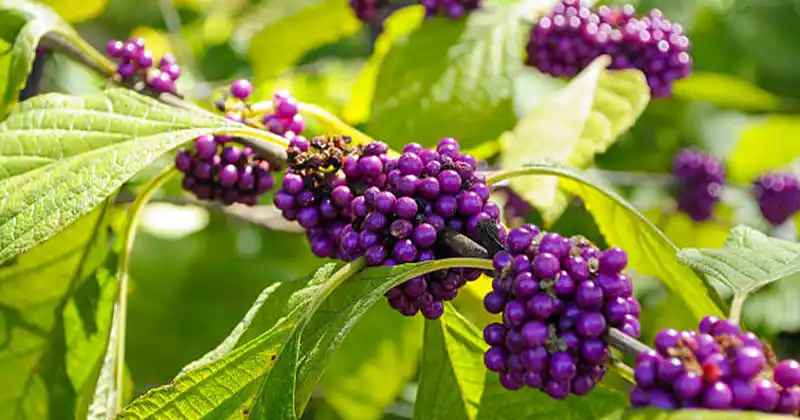
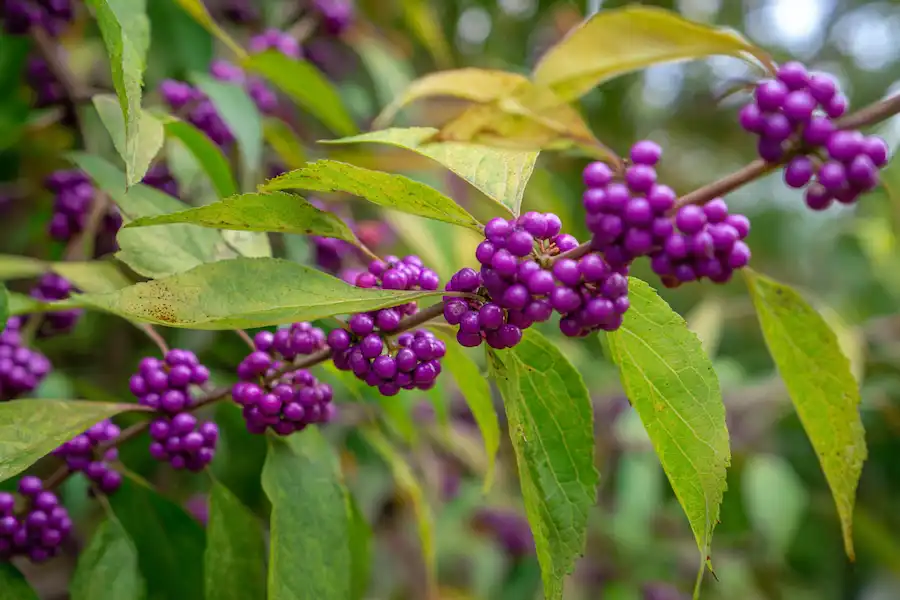
American Beautyberry (Callicarpa americana) is a native shrub found mainly in the southeastern United States. Known for its striking clusters of bright purple berries, it’s more than just a pretty plant — the berries are edible, and the leaves and roots have been traditionally valued for their health-supporting and practical properties. For someone who’s new to foraging or natural remedies, this plant is a wonderful introduction because it’s easy to recognize and versatile to use.

xs3


Main Benefits of American Beautyberry

Here are the 8 main benefits people often associate with this plant:

  1. Rich in Antioxidants – The berries contain compounds that help protect the body from oxidative stress.
  2. Anti-Inflammatory Properties – Certain extracts from the plant may help reduce inflammation in the body.
  3. Immune Support – Nutrients in the berries can help maintain a healthy immune system.
  4. Natural Insect Repellent – Crushed leaves have been traditionally rubbed on skin to repel mosquitoes and ticks.
  5. Skin Soothing – Leaf extracts have been used in homemade salves for minor skin irritations.
  6. Mild Digestive Support – Small amounts of the berries can support digestion.
  7. Potential Antimicrobial Action – Some studies suggest the plant may help slow the growth of certain bacteria.
  8. Wildlife Friendly – While not a direct human benefit, the plant supports birds and pollinators, making it great for a home garden.

How to Identify American Beautyberry

  • Leaves: Light green, slightly rough to the touch, oval-shaped with pointed tips.
  • Berries: Bright violet to purple clusters that grow close to the stem.
  • Flowers: Small pinkish blossoms appear before the berries form.
  • Height: Usually 3–8 feet tall, with a loose, open structure.
american beautyberry plant identification


Ways to Use American Beautyberry

1. Eating the Berries Fresh

  • The berries are safe to eat raw, though they are mildly sweet with a slight earthy taste.
  • Best enjoyed in small handfuls or as a colorful addition to fruit salads.

Tip for beginners: Pick ripe berries (deep purple, soft to the touch) — unripe green berries should be avoided.

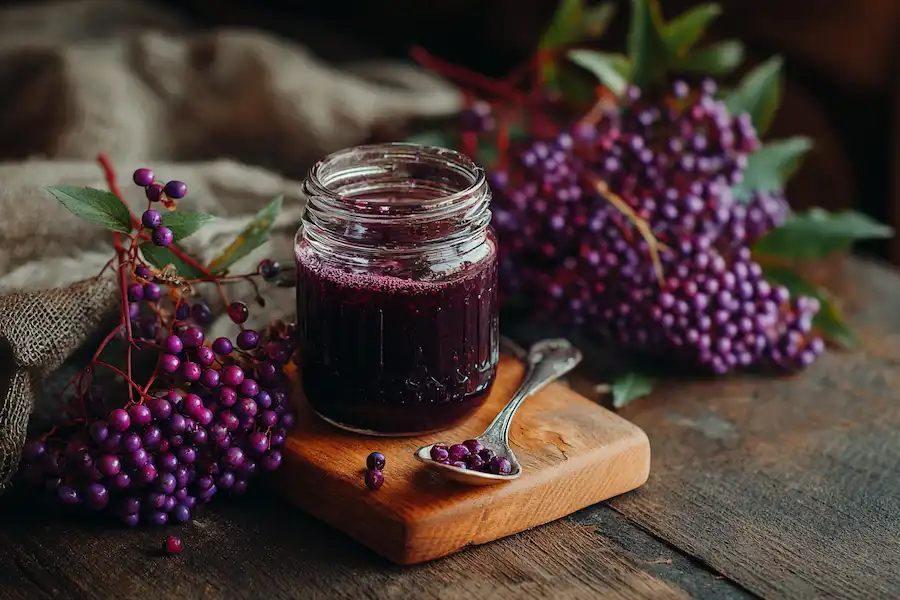
2. Beautyberry Jelly or Jam

  • Combine berries, sugar, water, and lemon juice, then cook until thickened.
  • Strain seeds out if you prefer a smooth texture.
  • This is one of the most popular ways to enjoy the berries.

3. Beautyberry Tea

  • Both the leaves and berries can be used.
  • Method:
    1. Rinse fresh or dried leaves/berries.
    2. Add to boiling water and simmer for 10–15 minutes.
    3. Strain and drink warm.
  • Some enjoy adding honey for sweetness.

4. Natural Insect Repellent

  • Crush fresh leaves and rub them directly onto exposed skin.
  • Alternatively, steep leaves in alcohol (like vodka) for 1–2 weeks, strain, and use as a spray.

5. Skin Soothing Salve

  • Infuse dried leaves in a carrier oil (like olive oil) for 2–4 weeks.
  • Strain, then mix with melted beeswax to create a balm for minor rashes or bug bites.

6. Decorative and Garden Use

  • Plant beautyberry in your yard to attract birds and pollinators.
  • Its berries add natural color to wreaths or table arrangements

Safety Notes

  • The berries are considered safe in moderation but may cause mild stomach upset if eaten in large quantities.
  • Avoid consuming unripe berries or large amounts of leaves without proper preparation.
  • If you have allergies to plants in the mint family (Lamiaceae), try a small amount first.
beautyberry jelly and fresh berries

American Beautyberry isn’t just a vibrant wild shrub — it’s a plant with a surprising range of uses, from immune-supporting teas to natural mosquito repellent. For beginners, it’s an easy plant to identify and a fun way to explore edible and useful plants right in your backyard.

Inspired by this? Share the article with your friends!

This food you eat every week is real poison for your body…

by


These two supplements are often recommended for overall health, but in large amounts they can negatively impact skin radiance. Let’s explain.

In the wellness category, dietary supplements tempt with promises of energy, vitality, and sometimes even prolonged youth. However, behind these capsules, presented as miracles, lurk substances that can have a much less beneficial effect on our skin. This concerns two essential minerals, excessive consumption of which can be harmful. What is the culprit, according to dermatologists interviewed by “SheFinds” magazine? Iodine and iron.
Dietary supplements: a quick energy boost!
Iodine

Iodine, found in thyroid supplements, some algae, and iodized salts, is essential for proper hormone function. However, consumed in large amounts, it can disrupt skin balance. The result is skin more prone to breakouts, persistent acne, and chronic inflammation, which dulls the natural radiance of the face.Iron plays an important role in blood oxygenation, but in excess it can lead to oxidative stress. In practice, this leads to premature skin cell damage, which accelerates wrinkle formation and contributes to loss of elasticity. In other words, attempting to “fortify” the body with iron can paradoxically cause skin to age more quickly.


Discover ELLE’s must-haves in a limited-edition beauty box, no strings attached, starting at just €29.
Overdose: Skin’s invisible enemy

These two examples highlight the importance of medical supervision before starting supplementation. Experts recommend starting by checking your iodine levels with a blood test and proceeding cautiously. While iodine and iron are still essential for proper body function, excess iodine has a rebound effect: what was meant to strengthen ultimately weakens. This is another reason to prioritize a varied and balanced diet, naturally rich in protective nutrients like vitamin C, omega-3 fatty acids, and zinc, which are known to help maintain radiant and youthful skin.

Your Feet Are a “Blood Sugar Meter” – Beware of Diabetes If You Frequently Experience These 12 Symptoms

by


Your feet can reveal a lot about your health — especially when it comes to blood sugar levels. Diabetes often develops slowly, and many early warning signs appear in the feet long before a diagnosis is made.
Because nerves and blood vessels in the feet are very sensitive, any change in blood sugar can trigger noticeable symptoms.

Here are 12 foot-related signs that may indicate high blood sugar or early diabetes.


1. Tingling or “Pins and Needles”

High blood sugar can damage nerves, especially in the feet.
If you often feel tingling, buzzing, or light electrical sensations, it may be a sign of diabetic neuropathy.


2. Numbness

Losing feeling in your feet or toes is one of the most common early symptoms of nerve damage caused by elevated blood sugar.


3. Burning Sensation

A hot, burning feeling in the feet — especially at night — is a strong indicator of nerve stress related to diabetes.


4. Cold Feet

Poor circulation caused by high blood sugar can make your feet unusually cold, even if the rest of your body feels warm.


5. Sharp or Stabbing Pain


Sudden, unexplained foot pain may be caused by irritated or damaged nerves.


6. Slow-Healing Cuts

High blood sugar affects blood flow and slows down the healing process.
If small cuts or blisters take a long time to heal, it may be a warning sign.


7. Dry, Cracked Skin

Diabetes can affect sweat glands, causing severely dry, flaky, or cracked skin on the feet.


8. Foot Swelling

Poor circulation and fluid retention — both linked to diabetes — can cause swelling in the feet and ankles.


9. Frequent Foot Cramps

Low circulation or nerve dysfunction due to high blood sugar can trigger cramps, especially at night.


10. Darkened Skin Around the Ankles

A condition called acanthosis nigricans, often linked to insulin resistance, can cause the skin to darken or thicken.


11. Changes in Nail Color

Yellowish or brittle toenails can indicate fungal infections, which are more common in people with elevated blood sugar.


12. Loss of Hair on Feet and Toes

Reduced blood flow can cause hair loss on the lower legs, feet, and toes — often an early circulation warning.


Why Your Feet Reveal These Symptoms


  • Feet are the farthest from the heart → less circulation

  • Nerves in the feet are highly sensitive

  • Diabetes affects blood vessels, nerves, and skin

  • Foot symptoms tend to appear early, sometimes years before diagnosis


When to Seek Medical Advice

If you notice two or more of these symptoms frequently, it’s recommended to:

  • Check your blood sugar

  • Consult a doctor

  • Improve your lifestyle and diet

  • Monitor foot health regularly

Early detection can prevent complications and protect your long-term health.

You’ll be surprised what happens if you pee in the shower.

by


Peeing in the shower is a topic that often generates laughter and debate. While many people find it a bit taboo or even disgusting, there are surprising facts and potential benefits associated with this unconventional habit. Let’s explore what happens when you pee in the shower and why it might not be as scandalous as it seems.

The science behind this

1.  Hygiene and safety

Many people believe that urinating in the shower is unsanitary. However, urine is usually sterile when it leaves the body. The warm water in the shower can help eliminate any bacteria, and urinating can help keep the shower clean by removing dead skin cells and dirt.

2.  Water conservation

Using the shower as a toilet can help save water. Flushing the toilet uses a significant amount of water: approximately 6 liters per flush. Urinating in the shower can save water and reduce overall consumption.

3.  Comfort and relaxation

For many, the shower is a place of relaxation. The warm water creates a soothing environment, making it easier to take a shower. This can result in a more comfortable experience, especially for those who suffer from bath anxiety.

Potential health benefits

1.  Natural antiseptic

Urine contains urea, which has antiseptic properties. Some people believe that urinating on minor cuts or scrapes in the shower can help heal, although this is more anecdotal than scientifically proven.

2.  Benefits for the skin

Some proponents argue that urine can be beneficial for the skin. The urea present in urine is found in many skin care products, and some advocate its use to treat conditions such as athlete’s foot. While more research is needed, the idea is that natural compounds in urine could help with certain skin conditions.


The Considerations

1.  Social norms

While there are some potential benefits, it’s important to consider social norms and personal preferences. Many people may find the idea off-putting, and it’s crucial to respect others’ opinions on hygiene.

2.  Concerns about odor

If you eat a diet rich in certain foods (such as asparagus), your urine may have a stronger odor. This could be unpleasant in a shared shower, so it’s important to keep this in mind.

3.  Personal hygiene

Although urine is usually sterile, it’s essential to maintain good personal hygiene. Rinsing thoroughly after urinating in the shower can contribute to cleansing.

Conclusion

While urinating in the shower may not be for everyone, it can have surprising benefits, from saving water to potential skin benefits. As with many habits, it ultimately comes down to personal choice and convenience.

So, whether you’re a showering expert or just curious about the practice, it’s worth considering the implications and benefits of this unconventional act. Remember to stay hygienic and enjoy your shower!

The best vitamin to eliminate poor circulation in legs and feet

by


Poor circulation in the legs and feet can cause uncomfortable symptoms such as numbness, tingling, swelling, and even pain. It often results from conditions like peripheral artery disease (PAD), diabetes, or a sedentary lifestyle. While lifestyle alters and medical treatment are crucial, certain vitamins can also help enhance blood flow and encourage vascular health. Among them, Vitamin B3 (Niacin) is considered as one of the most effective.

Buy vitamins and supplements

Why Vitamin B3 Is Crucial for Circulation
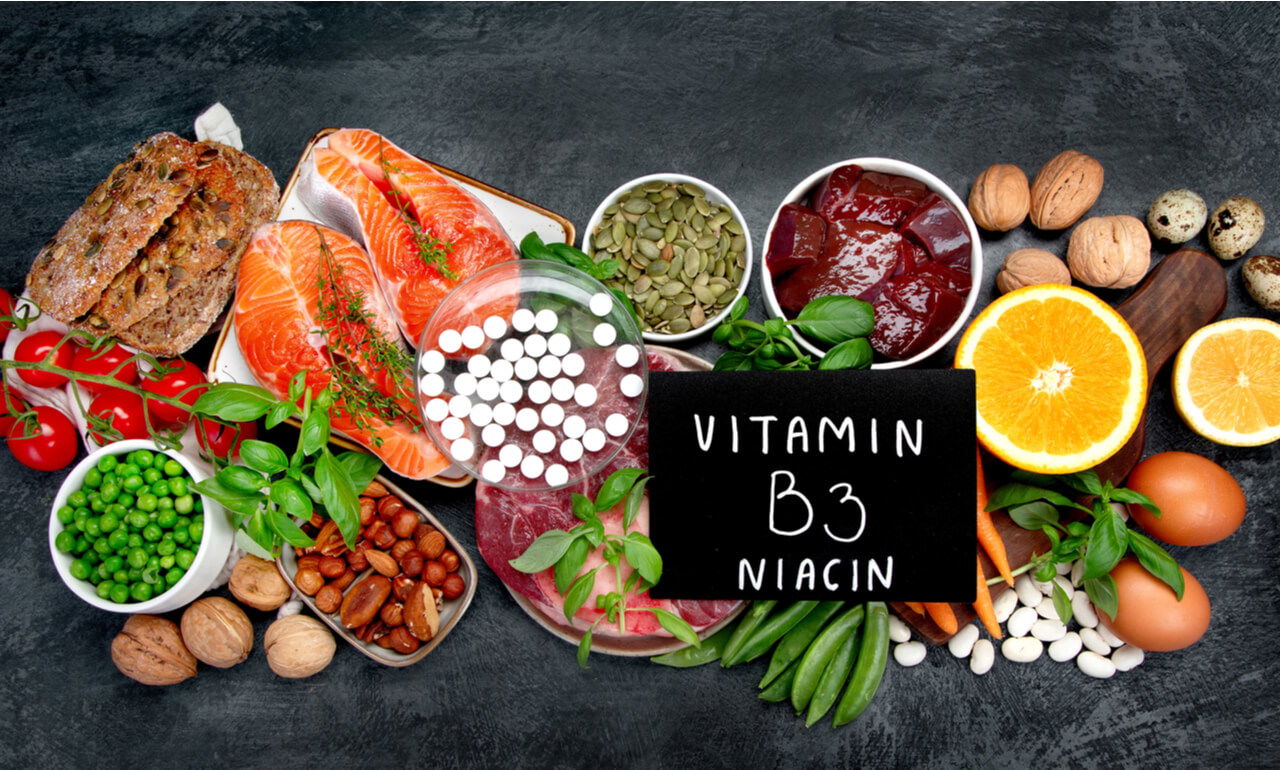


Vitamin B3, also known as niacin, plays a vital role in expanding blood vessels, which enhances blood flow throughout the body, including the legs and feet. Niacin helps decrease bad cholesterol (LDL) and boost good cholesterol (HDL), which contributes to healthier arteries and better circulation. It also encourages the function of endothelial cells, which line the blood vessels and help control blood pressure and vessel dilation.

People with poor circulation often have narrowed or stiff blood vessels. By expanding these vessels, niacin allows blood to flow more freely, decreasing the risk of clots, swelling, and numbness in the lower extremities. Some patients even report a “niacin flush”—a temporary warming or tingling sensation—as blood flow increases, particularly in the limbs.

Other Helpful Vitamins



While Vitamin B3 is especially effective, other vitamins also encourage circulation:

  • Vitamin E is an antioxidant that helps prevent blood clots and encourages red blood cell production. It boosts smooth blood flow and may ease leg cramps caused by poor circulation.
  • Vitamin C boosts collagen production, which enhances blood vessel walls. It also decreases inflammation, helping to keep arteries flexible and open.
  • Vitamin D may help prevent arterial stiffness and regulate blood pressure, which indirectly boosts circulation in the legs and feet.
  • Vitamin B12 helps create red blood cells. A deficiency can cause anemia, which reduces oxygen flow to tissues and contributes to poor circulation.

Best Sources and Supplementation
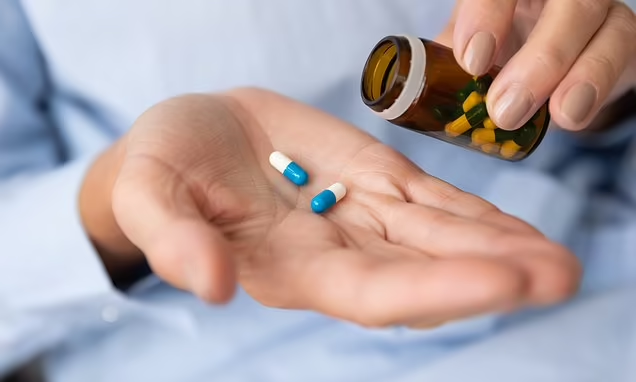


Vitamin B3 is found in foods like chicken, turkey, tuna, salmon, brown rice, and legumes. For those with circulation issues, supplements may offer higher doses as recommended by a healthcare professional. However, niacin supplements should be taken cautiously, as high doses can lead to side effects such as flushing, dizziness, or liver damage if misused.

Final Thoughts

If you’re dealing with cold feet, numbness, or fatigue in your legs, boosting your circulation should be a priority. While Vitamin B3 is one of the best options to encourage blood flow, combining it with a healthy diet, regular exercise, proper hydration, and medical advice provides the best long-term results. Always visit a doctor before starting any new supplement regimen, especially if you have underlying health conditions.

Buy vitamins and supplements

Breast cancer: 4 early signs every woman should know.

by


Follow our Telegram channel
2. Skin with an “orange peel” appearance
Another important sign is a change in the texture of the skin on the chest.

When it becomes uneven, reddish, or resembles orange peel, this may be related to inflammation or changes in the tissue beneath the skin.

Although it may seem like a simple aesthetic detail, this type of modification should be evaluated immediately by a specialist doctor.

3. Changes in the nipple or presence of discharge
. The nipple can also show warning signs. If it retracts, suddenly inclines, or has discharge—especially with blood—it is essential to consult a gynecologist or a breast specialist. 


These changes, although not always related to cancer, may indicate alterations in the mammary glands that should be carefully examined.

4. Lump or swelling in the armpit:
A lump or swollen lymph node in the armpit may go unnoticed, but it also deserves attention.

Although swollen lymph nodes are common in simple infections, a persistent lump may indicate the presence of abnormal cells.

Only clinical and imaging tests can confirm what is happening, so don’t ignore this type of symptom.


These changes, although not always related to cancer, may indicate alterations in the mammary glands that should be carefully examined.

4. Lump or swelling in the armpit:
A lump or swollen lymph node in the armpit may go unnoticed, but it also deserves attention.

Although swollen lymph nodes are common in simple infections, a persistent lump may indicate the presence of abnormal cells.

Only clinical and imaging tests can confirm what is happening, so don’t ignore this type of symptom.


I’ve been eating this for breakfast for a month and now all my clothes are too big! An easy and quick breakfast for a slimmer waist, sugar-free

by


Quick breakfast for a slim waist

Ingredients needed:
100g of chia seeds

480 ml of almond milk

60 ml of honey (or sweetener according to your taste)

50g of fresh raspberries

100g of fresh strawberries

50 g of stevia

1 tablespoon of cornstarch


Procedure:


Procedure:
In a bowl, mix 100g of chia seeds with 480ml of almond milk. Add 60ml of honey or sweetener of your choice. Let the mixture sit for 20 minutes so the chia seeds swell and absorb the liquid.

2. Place 50g of fresh raspberries, 100g of fresh strawberries and 50g of stevia in a saucepan. Cook over medium heat for about 5 minutes, stirring occasionally, until the fruit is soft and has released its juices.

3. Add 1 tablespoon of cornstarch to the saucepan and stir until the mixture thickens. Then, using a blender, purée the fruit until smooth and homogeneous.

4. Divide half of the chia seed mixture among small glasses. Top with a layer of fruit topping, then add the remaining chia seed mixture.

5. If desired, garnish with fresh fruit and serve immediately or refrigerate before serving.

This dessert is a quick, healthy and delicious choice for anyone who wants to enjoy a sweet treat without guilt!

10 Ways Your Body Warns You About Kidney Disease (But You Don’t Notice)

by


Here’s a detailed guide on 10 ways your body may be warning you about kidney disease, often without obvious symptoms:


1. Swelling in Feet, Ankles, or Hands

  • When kidneys can’t remove excess fluid, it accumulates in tissues.

  • Look for puffiness around your ankles, feet, hands, or even around your eyes in the morning.

2. Changes in Urination

  • Frequency: Urinating more often, especially at night (nocturia), or less often than usual.

  • Color: Darker urine, foamy urine, or blood in urine.

  • Urgency: Feeling an urgent need to urinate or difficulty starting urination.

3. Fatigue and Weakness

  • Kidneys produce a hormone called erythropoietin that stimulates red blood cells.

  • When kidney function declines, you may develop anemia, causing fatigue, weakness, and poor concentration.

4. Persistent Itching

  • Waste buildup in the blood (uremia) can cause severe, persistent itching, often difficult to relieve with creams.

5. Shortness of Breath

  • Fluid overload can accumulate in the lungs.

  • Anemia caused by kidney disease can also reduce oxygen delivery, making breathing feel harder during activity.


6. Loss of Appetite and Nausea

  • Toxins accumulating in the blood can affect digestion.

  • This can lead to loss of appetite, nausea, or even vomiting.

7. Muscle Cramps

  • Electrolyte imbalances, particularly low calcium or high phosphorus, can trigger painful muscle cramps, especially at night.

8. Sleep Problems

  • Toxin buildup can cause restless legs or insomnia.

  • Poor sleep can also worsen fatigue and mood issues.

9. High Blood Pressure

  • Kidneys help regulate blood pressure by controlling fluid and hormone balance.

  • Hypertension can both cause and result from kidney damage.

10. Metallic Taste or Ammonia Breath

  • Waste accumulation may make food taste different, often metallic.

  • Breath may smell like ammonia due to high urea levels.


⚠️ Important:
Kidney disease often develops silently, and many of these symptoms appear only in advanced stages. Early detection through blood tests (creatinine, eGFR) and urine tests is crucial.

💡 Tip: If you notice 2–3 of these signs together, it’s worth getting a kidney checkup—even if you feel otherwise healthy.