Saturday, October 11, 2025

Chocolate Coconut Semolina Cake with White Chocolate Topping

by


There is something magical about no-bake desserts, especially when they combine the richness of chocolate with the tropical sweetness of coconut. This Chocolate Coconut Semolina Cake with White Chocolate Topping is a showstopper, perfect for family gatherings, holiday feasts, or simply when you want to impress without spending hours in the kitchen. It brings together a crunchy cocoa biscuit base, a creamy coconut filling made with semolina for body, and a glossy white chocolate topping that seals everything into one elegant dessert. The flavor is reminiscent of the classic Bounty bar, but here it’s elevated into a cake form with layered textures and a beautiful finish. This dessert doesn’t just taste indulgent, it also looks sophisticated enough to serve as the centerpiece at the table.

Ingredients
For the Biscuit Base:

WANT TO SAVE THIS RECIPE?
Just drop your email here and I’ll send it right away! Plus you’ll get new recipes from me every week. Yes please!

Website
Your Email…
Subscribe
We use your personal data for interest-based advertising, as outlined in our Privacy Notice.
200 g biscuits (about 4 cups / 7 oz), finely crushed

15 g cocoa powder (4.5 tsp / 0.52 oz)

60 ml cream, 30–35% fat (3.5 tbsp / 2.18 oz)

70 g dark chocolate, melted (2.46 oz)

50 g butter, melted (1.76 oz)

For the Filling:

100 g sugar (0.6 cups / 3.5 oz)

500 ml milk (2.5 cups / 17 oz)

80 g semolina (0.5 cups / 2.8 oz)

200 g coconut flakes (3 cups / 7 oz)

For the White Chocolate Topping:

80 g white chocolate (2.8 oz)

40 g butter (0.2 cup / 1.4 oz)

80 ml hot cream (0.4 cup / 2.9 oz)

Cooking Directions
Begin by preparing the biscuit base. Crush the biscuits until they resemble fine crumbs, then mix with cocoa powder.

Stir in the melted butter, melted dark chocolate, and cream. Combine until the mixture holds together like a dough.

Press the biscuit mixture firmly into the bottom of a lined cake tin, smoothing the surface with a spatula. Place in the fridge while you prepare the filling.

In a saucepan, heat the milk and sugar over medium heat until the sugar dissolves. Gradually sprinkle in the semolina while whisking constantly to prevent lumps.

Cook the semolina mixture for about 5–7 minutes until it thickens to a porridge-like consistency.

Remove from heat and fold in the coconut flakes until evenly distributed.

Spread the coconut filling over the chilled biscuit base, pressing it down lightly to make an even layer. Allow it to cool slightly.

For the topping, place the white chocolate and butter in a heatproof bowl. Pour the hot cream over and let sit for 1–2 minutes. Stir until smooth and glossy.

Pour the white chocolate ganache over the coconut layer, tilting the tin to coat evenly.

Refrigerate for at least 3–4 hours, or until fully set. Slice into neat squares or wedges before serving.


WANT TO SAVE THIS RECIPE?
Just drop your email here and I’ll send it right away! Plus you’ll get new recipes from me every week. Yes please!

Website
Your Email…
Subscribe
We use your personal data for interest-based advertising, as outlined in our Privacy Notice.
Nutrients
Rich in dietary fiber from coconut

Source of healthy fats from nuts, coconut, and dark chocolate

Contains calcium from milk and cream

Provides energy-boosting carbohydrates from biscuits and semolina

Antioxidants from dark chocolate

Moderate protein from milk and semolina

Why You’ll Love This Recipe
This dessert is all about indulgence without unnecessary fuss. You’ll love it because it’s a no-bake recipe, which means no worrying about oven times or temperatures. It’s easy enough for beginners but still delivers a polished and professional look. The taste is a perfect balance of deep cocoa, creamy coconut, and the silky sweetness of white chocolate. Whether you serve it chilled on a hot summer day or as part of a festive winter table, it always feels special. It’s also versatile—you can make it in a rectangular pan and cut into bars for snacking, or present it as a round cake for more formal occasions.

The Origins and Inspiration Behind the Dish
Chocolate and coconut as a pairing has been beloved for generations. It calls to mind candies like Bounty and Mounds, which have been satisfying sweet tooths since the mid-20th century. The use of semolina in desserts, however, has much older roots. Semolina has been a staple in European and Middle Eastern kitchens for centuries, used in puddings, porridge, and cakes. Combining semolina with coconut in this recipe adds an old-world charm while keeping it modern with a sleek chocolate presentation. This dish is truly a marriage of tradition and innovation, showing how humble pantry ingredients can transform into something extraordinary.

Ingredient Spotlight
The star of this recipe is semolina. Often overlooked, semolina is a coarse flour made from durum wheat that adds body and structure to desserts. Unlike cornstarch or flour, it gives a gentle graininess that works beautifully in creamy fillings. Coconut flakes add natural sweetness and chew, making the filling rich yet airy. Dark chocolate in the base provides intensity, while the white chocolate topping balances with milky sweetness. Together, these ingredients create harmony between flavor and texture, ensuring every bite is layered with complexity.

Storage and Reheating Tips
This dessert is best stored in the refrigerator, tightly covered, where it will last up to five days. The chilled texture keeps the layers firm and the flavors intact. If you prefer serving at room temperature, simply take it out of the fridge 15 minutes before serving. Freezing is also possible—slice into individual bars, wrap them tightly, and freeze for up to two months. Allow them to thaw overnight in the fridge before serving. Since this is a no-bake dessert, there is no reheating required, making it ideal for make-ahead entertaining.


Common Variations to Try
One of the joys of this recipe is its flexibility. For a darker, richer topping, use milk or dark chocolate instead of white chocolate. Add a splash of vanilla extract or almond essence to the coconut filling for extra fragrance. You can also mix chopped nuts, like almonds or hazelnuts, into the base for added crunch. For a tropical twist, fold in dried pineapple or mango pieces with the coconut. If you’re looking to cut down on sugar, use sugar-free biscuits and a natural sweetener like stevia in the filling. Each variation keeps the essence of the dessert while tailoring it to your taste.

Pairing Recommendations
This cake pairs beautifully with beverages that balance its richness. A cup of strong black coffee or espresso cuts through the sweetness perfectly. For tea lovers, try it with green tea or Earl Grey, both of which complement coconut flavors well. If you’re serving it at a celebration, a glass of sparkling wine or prosecco makes for a festive pairing. For a non-alcoholic option, a chilled glass of milk or coconut water offers a refreshing counterpoint.

Advertisement

WANT TO SAVE THIS RECIPE?
Just drop your email here and I’ll send it right away! Plus you’ll get new recipes from me every week. Yes please!

Website
Your Email…
Subscribe
We use your personal data for interest-based advertising, as outlined in our Privacy Notice.
Health Benefits
Although it’s a dessert, this cake does carry some nutritional perks. Coconut is rich in dietary fiber, which supports digestion, and contains medium-chain triglycerides (MCTs), known for boosting energy and metabolism. Dark chocolate adds antioxidants that protect the body from oxidative stress, while semolina contributes plant-based protein and minerals such as iron. Milk provides calcium for bone health. Of course, moderation is key, but it’s comforting to know that behind the sweetness lies a handful of wholesome elements.

Conclusion
This Chocolate Coconut Semolina Cake with White Chocolate Topping is more than just a dessert—it’s a celebration of flavor, texture, and tradition. The biscuit base grounds the recipe with a satisfying crunch, the coconut filling adds tropical creaminess, and the glossy topping provides the perfect finishing touch. It’s a versatile, make-ahead treat that you can dress up for a party or slice casually for everyday indulgence. Every bite is a reminder that simple ingredients, when combined thoughtfully, can create something truly memorable.

The most powerful insecticide against mosquitoes is in the kitchen: you make them disappear for free

by


You can get rid of mosquitoes without spending money by using a powerful insecticide found in the kitchen that, unlike commercial insecticide sprays, requires only two ingredients.

Spring is coming and with it, the arrival of mosquitoes. As temperatures rise, these annoying insects resume their activity and can become a real problem for many people. It is important to take preventive measures, such as eliminating places where water accumulates and using repellents, to avoid bites and the diseases they transmit.

Insects, role in the ecosystem
Insects are a class of animals that represent the largest group of animals on earth. Due to their abundance, insects come into contact with humans in a variety of ways, both positive and negative.

Mosquitoes are one of the insects that most often come into contact with humans. These insects are annoying because they can bite and suck blood for food. Besides annoying bites, mosquitoes can also pose a danger to human health, as they can transmit diseases such as malaria, dengue fever, and West Nile virus.

Mosquitoes

Another insect that can be bothersome is flies, particularly fruit flies, which can enter the home and lay their eggs on food. This can lead to contamination and the proliferation of bacteria and other microorganisms that can cause health problems.

Bedbugs are another insect that can cause many problems, especially in the home environment. These insects feed on human blood and can cause itchy and irritated skin. The presence of bed bugs in a home can be difficult to eliminate and often requires professional intervention.


The most powerful insecticide against mosquitoes? In the kitchen
An effective insecticide spray can be made with just a few ingredients, which you can find throughout the house. This spray is capable of chasing away annoying insects that could invade the house and garden during the summer season. The ingredients needed to prepare this product are vinegar and cinnamon.

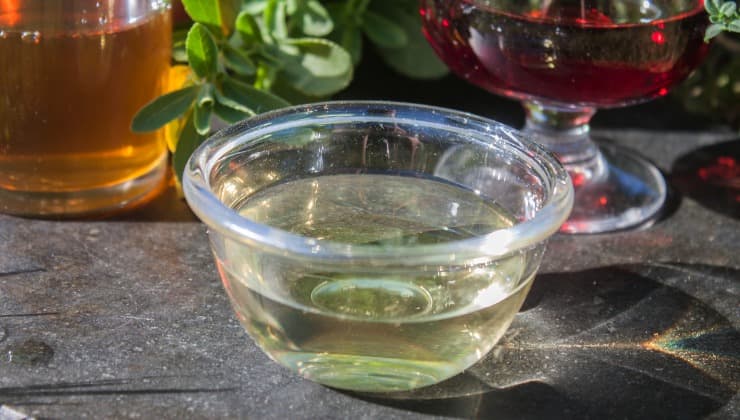
White wine vinegar against mosquitoes

It may seem necessary to use harsh chemicals to control insects such as flies, mosquitoes, wasps, vermin and aphids that feed on your plants.

It is important to avoid the use of chemicals because many studies show that they can lead to declines in insect populations, including bees, and potentially pathological conditions for humans.

Cinnamon and vinegar against mosquitoes
Cinnamon and vinegar are two ingredients that work effectively as insecticides and are also environmentally friendly. Cinnamon is rich in essential oils that can promote the well-being of the body.

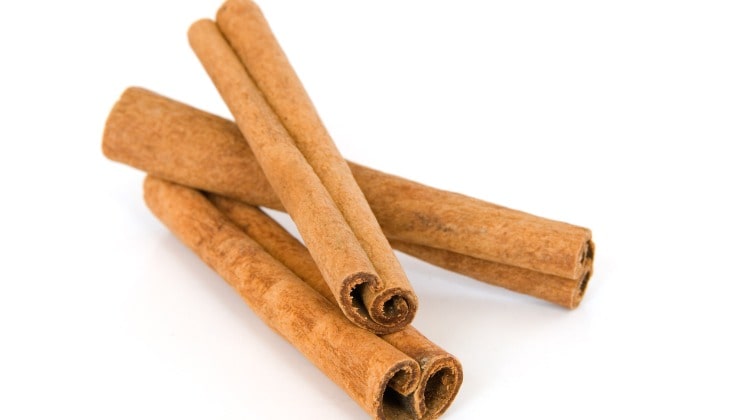
Whole cinnamon sticks


In Chinese medicine, it is often used as an analgesic and to fight intestinal viruses. Additionally, cinnamon contains high amounts of iron and calcium, making it a natural mineral supplement.

Cinnamon doesn’t just make candy sweeter

appetizing thanks to its scent, but it is also an odor that many insects find unpleasant. This makes it a useful ally in the fight against insects, especially mosquitoes. It is an extremely effective spice as an insecticide. You can use sticks, powder or essential oil to make your own insecticide spray.

Goodbye Mistakes
To make a pet-safe insecticide spray, you can fill a spray bottle half with vinegar and half with water.

To make the mixture more effective, you can add 20 drops of essential oil or four cinnamon sticks. If you are using essential oil, you do not need to wait for the mixture to decant. However, if you use cinnamon, you may need to wait a few days for the spice to release the essential oil into the liquid.

Essential oil


The value of cinnamon lies in its ability to repel mosquitoes, making it a natural repellent to spray on skin and clothing, as well as around plants, to prevent eggs from settling in saucers

.

The preparation made from water, vinegar and cinnamon can also be used as an insecticide spray to protect the home and garden from harmful insects. However, caution should be taken when applying to the skin as cinnamon may cause irritation.

Farmer discovers strange eggs in his field – experts offer surprising explanation

by


A Rare Species Appears

The researchers identified the eggs as belonging to a rare species of tree frog. These frogs, previously unknown in the area, had begun migrating into the region due to shifting climate conditions—warmer temperatures and increased rainfall were creating new habitats.

Adapting to New Conditions

The team explained that while these frogs typically lay eggs on leaves or water surfaces, recent weather patterns may have influenced them to use damp soil and puddles as an alternative.

It was a remarkable sign of nature adjusting to environmental change—subtle, quiet, yet powerful.


Thomas Becomes a Guardian

Captivated by the unfolding drama in his field, Thomas checked on the eggs every morning. Within days, tiny shapes began to emerge inside the jelly-like spheres.

Determined to help, he carved out a shallow pit nearby and gently filled it with rainwater to mimic a natural pond.

A Shared Space

Over the next week, the field was alive in new ways. While farm routines continued—tractors whirred and soybeans grew—the quiet corner with the frog eggs became a sanctuary. The eggs slowly developed under Thomas’s watchful eye.

A Moment of Connection

What had begun as an ordinary inspection turned into a rare encounter with the adaptability of wildlife.

Thomas found himself unexpectedly woven into nature’s unfolding story—one of resilience, curiosity, and subtle transformation.

A New Chapter on Familiar Land

During his well-trodden fields, the veteran farmer discovered something fresh and wondrous. Nature had introduced a new rhythm, and Thomas—long familiar with the cycles of farming—embraced the invitation to be part of it.

i drank cranberry juice

by


i drank cranberry juice


In recent years, cranberry juice has gained popularity not just as a refreshing beverage, but also as a health elixir. Intrigued by its purported benefits, I decided to embark on a 7-day cranberry juice challenge. My goal was to see if this tart drink could make a noticeable difference in my health and well-being. This article chronicles my journey, from the initial sip to the reflections one week later.
Understanding the Health Benefits of Cranberry Juice
Cranberry juice is often touted for its potential health benefits, including its ability to prevent urinary tract infections (UTIs), improve heart health, and provide antioxidants. Rich in vitamin C and other nutrients, cranberries are believed to support the immune system and reduce inflammation. However, it’s important to distinguish between pure cranberry juice and those with added sugars, as the latter can diminish these health benefits.

Setting the Stage: My Initial Health and Expectations


Setting the Stage: My Initial Health and Expectations

Before starting the challenge, I considered my current health status. Generally healthy, I occasionally experienced digestive discomfort and was curious if cranberry juice could help. I also hoped to see improvements in my skin and energy levels. My expectations were moderate; I wasn’t anticipating a miracle cure, but I was open to any positive changes.
The Daily Routine: How I Incorporated Cranberry Juice
To ensure consistency, I incorporated cranberry juice into my daily routine by drinking one glass each morning with breakfast. I opted for unsweetened, pure cranberry juice to maximize the potential health benefits. I also made sure to stay hydrated throughout the day, as cranberry juice can be quite tart and dehydrating if consumed in large quantities.
Immediate Effects: What I Noticed During the Week
During the first few days, I noticed a slight increase in energy levels, which was a pleasant surprise. My digestive system seemed to be functioning more smoothly, and I felt less bloated. However, the tartness of the juice was a bit challenging at first, and I had to get used to the strong flavor.
The One Week Mark: Evaluating My Overall Well-being
By the end of the week, I felt a noticeable improvement in my digestion and energy levels. My skin appeared slightly clearer, although it was hard to determine if this was directly related to the cranberry juice. Overall, I felt more refreshed and invigorated than I had at the start of the challenge.
Unexpected Outcomes: Positive and Negative Surprises
One unexpected positive outcome was the improvement in my digestion, which I hadn’t anticipated to this extent. On the downside, I experienced some acidity and mild heartburn, likely due to the tartness of the juice. This was a reminder of the importance of moderation and listening to my body’s signals.
Scientific Insights: What Research Says About Cranberry Juice
Scientific research supports some of the health claims associated with cranberry juice, particularly its role in preventing UTIs due to the presence of proanthocyanidins, which prevent bacteria from adhering to the urinary tract. However, more research is needed to fully understand its impact on heart health and other areas. It’s also important to note that the benefits are more pronounced with pure cranberry juice rather than sweetened varieties.
Personal Reflections: Would I Continue the Habit?
Reflecting on the week, I would consider continuing to incorporate cranberry juice into my diet, albeit in moderation. The benefits to my digestion and energy levels were encouraging, but I would be cautious about the acidity. Perhaps alternating days or mixing it with other juices could be a sustainable approach.
Conclusion: Summarizing My Experience and Key Takeaways
The 7-day cranberry juice challenge was an enlightening experience. While not a miracle solution, cranberry juice offered some tangible benefits, particularly for digestion and energy. It’s a reminder of the potential power of natural foods and the importance of balance and moderation in dietary choices. For those curious about its benefits, I would recommend trying it, while being mindful of personal health conditions and preferences.

Never Boil Your Corn Again – Make It Like This Instead

by


You’ll never go back to the old way…

While we love corn on the cob and try to get as much of it as possible while it’s in season, we hate boiling it (since it never seems to taste as good that way). What we didn’t know is that there’s another way to cook it that is easier and results in better flavor…in the slow cooker!

By placing the corn and water in the slow cooker, the corn steams deliciously without losing any of its sweet flavor. Then, you’re free to spruce it up with all the butter and salt and pepper you want and enjoy it to its fullest!

. Slow Cooker Corn On The Cob
. Yield(s): Serves 8-10


. 2 hours

Ingredients
. 8-10 ears of corn
. 1/3 cup water
. 1 tablespoon lemon juice
. unsalted butter, to taste
. kosher salt and freshly ground pepper, to taste
. fresh herbs or green onion, to taste

Preparation

Preparation

1. Place corn in slow cooker and pour in 1/3 cup water.
2. Cook on HIGH for 2 1/2-3 hours, or until corn is bright yellow and tender.
3. Use tongs to remove corn and season with salt and pepper, and your choice of butter, lemon juice, and fresh herbs.
4. Serve immediately and enjoy!

Flaky Apple Pie Bars

by


🥧 Flaky Apple Pie Bars

Servings: 12 | Prep Time: 30 min | Chill Time: 30 min | Bake Time: 45–50 min

🧾 Ingredients

🥧 For the Crust:

  • 2½ cups all-purpose flour

  • ½ tsp salt

  • 1 cup unsalted butter, chilled & cubed

  • ¼ cup ice water

🍎 For the Apple Filling:

  • 6 cups apples, peeled, cored, and thinly sliced

  • 1 cup granulated sugar

  • 1 tsp ground cinnamon

  • ¼ tsp ground nutmeg

  • 1 tbsp lemon juice

  • 1 tbsp cornstarch

🌾 For the Oat Topping:

  • ½ cup old-fashioned oats

  • ½ cup brown sugar

  • ¼ cup unsalted butter, melted


👩‍🍳 Directions


👩‍🍳 Directions

  1. Preheat & Prep Pan
    Preheat oven to 375°F (190°C). Grease or line a 9×13-inch baking dish with parchment.

  2. Make the Crust
    In a large bowl, combine flour and salt.
    Cut in the chilled butter using a pastry cutter or fork until the mixture resembles coarse crumbs.
    Gradually add ice water, mixing just until dough comes together.
    Divide dough in half, wrap in plastic wrap, and refrigerate for 30 minutes.

  3. Prepare Apple Filling
    In a large bowl, toss sliced apples with sugar, cinnamon, nutmeg, lemon juice, and cornstarch. Set aside.

  4. Roll Out Bottom Crust
    On a floured surface, roll out one dough half to fit the bottom of the baking dish.
    Press into the pan evenly.

  5. Add the Filling
    Spread the apple mixture evenly over the crust.

  6. Make & Add the Oat Topping
    In a bowl, mix oats, brown sugar, and melted butter.
    Sprinkle over the apples.

  7. Top Crust
    Roll out the second dough half and place over the top.
    Cut small slits for steam to escape.

  8. Bake
    Bake for 45–50 minutes, or until the top is golden brown and apples are tender.

  9. Cool & Slice
    Let cool before cutting into squares. Serve warm or at room temperature.


🔄 Variations & Tips


🔄 Variations & Tips

  • Nutty Crunch: Add ½ cup chopped walnuts or pecans to the oat topping.

  • Extra Cozy: Mix in 1 tbsp honey or maple syrup with the apples for extra warmth.

  • Tart & Sweet Combo: Use a mix of Granny Smith (tart) and Honeycrisp (sweet) apples.

  • Gluten-Free Option: Use a 1:1 gluten-free flour blend and certified GF oats.

  • Spiced Up: Add a pinch of clove or allspice for deeper fall flavor.

  • Fancier Finish: Brush the top crust with a little milk or egg wash before baking for a glossy finish.


🍦 Perfect Pairings

  • Vanilla ice cream (obviously)

  • Fresh whipped cream + cinnamon

  • Hot apple cider or black coffee

  • Part of a brunch spread next to quiche and fresh fruit


An early sign of Alzheimer’s disease can be noticed while taking a shower: what should you look out for?

by


No longer recognizing the smell of soap: a signal not to be ignored

Imagine this: You open your usual shower gel, the one with the aroma you’ve been using for years, and suddenly… nothing. Or, more accurately, a hazy, difficult-to-identify fragrance. This seemingly little detail could be one of the first symptoms of cognitive loss, according to Professor Davangere Devanand, a psychiatrist and neurologist at Columbia University in New York.

Why? Because smelling is a brain function that is intimately related to remembering. Early-onset Alzheimer’s disease affects the parts of the brain that allow us to distinguish scents.

A simple, but revealing test

In an eight-year study involving over 1,000 individuals, researchers employed a simple olfactory test: they scraped smell samples to identify typical aromas like soap, smoke, rose, or leather. What was the result? People who had difficulties naming these odors were considerably more likely to experience cognitive impairment later in life.

A score of less than 8 out of 12 was previously deemed a warning indicator. When combined with a short memory test, this sensory test showed to be as useful as some brain MRIs or considerably more extensive biochemical investigations. A promising outcome.

A vital clue for early detection.


What is the benefit of this test? It is straightforward, non-invasive, and inexpensive, and it may be done in a doctor’s office without specialized equipment. Above all, it would enable the identification of persons at risk prior to the emergence of apparent symptoms, allowing for earlier treatment and appropriate prevention initiatives.

As Dr. Jeffrey Motter, co-author of the study, points out, incorporating this form of screening into normal medical monitoring could fundamentally alter how we detect Alzheimer’s disease. This is an encouraging development for patients and their families.

What smells should attract attention?

Here are the 12 scents used in the test to be aware of if you experience prolonged discomfort:

  • Non-food scents include soap, leather, lilac, smoke, gas, and rose.
  • Food smells: cherry, clove, strawberry, menthol, pineapple, and lemon.

Repeated difficulties Recognizing several of these odors, particularly a familiar aroma like soap, may necessitate a consultation with your doctor, especially if you are concerned about other minor symptoms (memory lapses, disorientation, loss of interest, etc.).

Moral? Showering is more than simply a relaxing moment; it can also serve as a silent signal regarding the status of our brain.