Saturday, November 8, 2025

WAR.NING: STOP Taking These Pills If You Have High Bl00d Pressure

by


If you’re among the millions of people controlling high b00d pressure (hypertension), your daily routine likely includes some mixture of medication, diet, and lifestyle changes. But did you know that certain common pills—even over-the-counter ones—could be silently raising your bl00d pressure and increasing your risk of stroke or heart atta.ck?

Here are the medications you should think twice about if you have high blood pressure:

🔴 Decongestants (e.g., pseudoephedrine, phenylephrine)

Found in many cold and flu medications, these ingredients narrow bl00d vessels to ease swelling in the nasal passages—but they also increase bl00d pressure. Many people unknowingly spike their BP while treating a common cold!

🔴 NSAIDs (eg, ibuprofen, naproxen)

While effective for pain relief, non-steroidal anti-inflammatory drugs can cause your body to keep sodium and water, making your heart work harder. Chronic use can raise the risk of kidney damage and uncontrolled hypertension.

🔴 Certain Birth Control Pills

Some oral contraceptives can raise bl00d pressure by affecting hormone levels and fluid retention. If you’re over 35 and smoke or have pre-existing hypertension, this combo can be especially dangerous.


🔴 Stimulants for ADHD or Weight Loss

Medications that increase alertness or suppress appetite often raise heart rate and BP. This includes drugs like Adderall, Ritalin, and some OTC weight loss supplements that consist of caffeine or ephedra.

🔴 Herbal Supplements (yes, really!)

Licorice root, ginseng, ephedra, and even St. John’s Wort can interfere with BP medications or raise pressure on their own. “Natural” doesn’t always mean safe.


💡 What You Should Do:

Examine the label before taking any OTC medication. Look for warn.ings about high bl00d pressure.

Meet your doctor or pharmacist before beginning a new  supplement or cold remedy.

Monitor your bl00d pressure regularly—especially after adding anything new to your routine.

Your heart doesn’t get a break just because you’re treating a headache or stuffy nose. Every pill you take affects your body in some way—don’t let one undo all your progress.

👉 If in doubt, ask yourself: “Is this pill helping me… or putting me at risk?”

This Kitchen Appliance Should Be Unplugged Before Bed to Prevent a Fire Risk

by


The kitchen is one of the most equipment-filled areas in a home, and some of those appliances can pose serious safety risks. Among them, there is one common item that should always be unplugged before going to bed or leaving the house.

A Kitchen Appliance That Puts Your Safety at Risk

From coffee machines and kettles to ovens, refrigerators, and even clothes dryers, the kitchen is full of essential appliances. However, some of them can be more dangerous than you might expect.

One such appliance is the toaster. Found in nearly every kitchen, the toaster is convenient and easy to use—perfect for preparing a quick breakfast or snack. But despite its simplicity, it can pose a serious safety hazard.

Why the Toaster Is a Fire Risk

When in use, a toaster’s heating elements reach very high temperatures. Over time, crumbs often accumulate inside the appliance. If not cleaned regularly, these crumbs can catch fire when exposed to high heat.

This risk becomes even more serious if a fire starts at night while everyone is asleep. What’s more, leaving your toaster plugged in can cause an electrical circuit overload, leading to short circuits—another common cause of household fires.

Essential Recommendations


Essential Recommendations

Appliances that remain plugged in can still draw electricity, even when not in use. This phantom energy usage not only adds to your energy bill but also increases the risk of overloading your home’s electrical system—especially if multiple appliances are plugged in at the same time.

One of the easiest and most effective ways to reduce these risks is to unplug your toaster after every use.

Doing so can:

Prevent potential fires,

Reduce the risk of electrical overload,

Save energy and lower your electricity bills,

Minimize the chance of accidents in the kitchen.

Additionally, always make sure to insert bread or other food items that are appropriately sized for the toaster slots to avoid jamming or overheating.

In short: Unplugging your toaster after each use is a small habit that can make a big difference in protecting your home and saving energy.

Let me know if you’d like this formatted for a blog post, flyer, or social media caption!

Breast cancer: 4 early signs every woman should know.

by


Follow our Telegram channel
2. Skin with an “orange peel” appearance
Another important sign is a change in the texture of the skin on the chest.

When it becomes uneven, reddish, or resembles orange peel, this may be related to inflammation or changes in the tissue beneath the skin.

Although it may seem like a simple aesthetic detail, this type of modification should be evaluated immediately by a specialist doctor.

3. Changes in the nipple or presence of discharge
. The nipple can also show warning signs. If it retracts, suddenly inclines, or has discharge—especially with blood—it is essential to consult a gynecologist or a breast specialist.


These changes, although not always related to cancer, may indicate alterations in the mammary glands that should be carefully examined.

4. Lump or swelling in the armpit:
A lump or swollen lymph node in the armpit may go unnoticed, but it also deserves attention.

Although swollen lymph nodes are common in simple infections, a persistent lump may indicate the presence of abnormal cells.

Only clinical and imaging tests can confirm what is happening, so don't ignore this type of symptom.


The best option is to take care of yourself.
Doctors recommend performing breast self-exams every month, preferably after menstruation, to get to know your body better and identify any changes.

From the age of 40, regular mammograms — which are performed every one or two years, as directed by a doctor — are essential for prevention.

Early detection of breast cancer significantly increases the chances of a cure and reduces the impact of treatment. Information and care are the best weapons in the fight against this disease.

If you notice anything different, consult your doctor as soon as possible. Taking care of yourself is the first step toward a healthier and safer life.


The Hidden Power of Cloves: What Happens When You Chew Two Every Morning

by


Cloves — those tiny, aromatic flower buds — have been used for centuries in traditional kitchens and natural wellness remedies. Known for their strong fragrance and warm flavor, they bring a comforting richness to both food and health practices. But did you know that chewing just two cloves every morning can be a simple way to start your day feeling refreshed and balanced?

Let’s explore why this small daily habit has been treasured for generations and what makes cloves such a powerful natural spice.

The Ancient Spice with Modern Benefits

Cloves come from the flower buds of the Syzygium aromaticum tree, native to Southeast Asia. For hundreds of years, they’ve been valued not only as a culinary spice but also as a natural aid for digestion, freshness, and overall wellness.

In many traditional households, especially across Asia and Africa, people still begin their mornings by chewing one or two cloves. It’s a simple practice that awakens the senses and gives a natural boost of warmth and energy — much like a morning cup of herbal tea.

Kitchen Items

  • A small bowl or jar to store whole cloves
  • A cup of warm water (optional, to follow after chewing)

Ingredients

  1. 2 whole cloves
  2. 1 cup warm water (optional)

That’s it! Just two little buds can make a surprising difference in how fresh and light you feel.

Instructions

  1. Choose Fresh Cloves
    Pick two whole cloves that are dark brown, firm, and aromatic. Fresh cloves have a slightly oily shine and release a warm scent when pressed.
  2. Chew Slowly
    Place the cloves in your mouth and chew them gently. The taste will be strong — slightly spicy and bitter — but that’s part of their natural power.
  3. Sip Warm Water (Optional)
    After chewing, you can drink a small cup of warm water to wash down the flavor and help activate digestion.
  4. Do This in the Morning
    The best time is early morning, before breakfast. It helps prepare your digestive system and refresh your breath naturally.

Why People Love This Simple Habit


see continuation on next page


Why People Love This Simple Habit

Cloves are rich in natural compounds such as eugenol, which gives them their signature aroma and warmth. These compounds are known for their cleansing and refreshing properties.

Here are a few reasons people around the world love including cloves in their morning routine:

  • Freshens breath naturally: The strong, spicy flavor helps neutralize odors and leaves a pleasant scent.
  • Supports digestion: Cloves are often used in herbal blends to promote healthy digestion and reduce heaviness after meals.
  • Boosts warmth and energy: Their natural heat helps awaken the body and mind, especially in the morning.
  • Rich in antioxidants: Cloves are among the most antioxidant-rich spices, helping the body stay balanced and refreshed.

Tips for Best Results

  • Don’t overuse: Two cloves a day are enough. Using too many may cause an overly strong taste or irritation.
  • Pair with healthy habits: Combine this morning routine with plenty of water, balanced meals, and good rest.
  • Add to your diet: You can also include ground cloves in tea, smoothies, or cooking for a milder effect.

A Timeless Ritual of Wellness

Our grandparents often knew the value of the simplest habits — and cloves were one of their most trusted spices. They didn’t rely on trends or supplements; instead, they turned to nature’s gifts.

By chewing two cloves each morning, you’re continuing a tradition that connects generations — one that promotes balance, warmth, and mindful living.

It’s not a miracle cure, but a small, natural step toward better wellness — one that costs almost nothing, takes only a few seconds, and reminds you of the wisdom of simpler times.

So tomorrow morning, reach for two tiny cloves, chew them slowly, and start your day the way your ancestors might have — naturally, thoughtfully, and full of life

Say Goodbye to Leg Cramps: 8 Vitamins Every Senior Needs for Stronger Legs

by


Feeling breathless when climbing stairs or struggling to rise from a chair might seem like normal signs of aging. But in many cases, these challenges actually stem from nutrient deficiencies that affect leg strength.

Millions of people over 50 experience this kind of leg weakness without realizing that the root cause is often linked to what’s missing in their diet, not just age.

The encouraging news? Specific nutrients can make a powerful difference. When combined, they form a holistic strategy for improving leg strength, balance, and mobility at any stage of life.

1. Vitamin D – The Strength Stabilizer

Vitamin D deficiency is widespread among older adults, with estimates suggesting that up to 60% lack sufficient levels.

This shortfall weakens both bones and muscles, creating a dangerous cycle of reduced movement and further decline.

Supplementing with vitamin D3—especially 800 to 2000 IU daily—has been shown to lower the risk of falls by nearly a quarter.

You can increase your intake through sunlight exposure, fatty fish like salmon, or supplements taken with healthy fats for better absorption.

2. Magnesium – Nature’s Muscle Soother
Frequent leg cramps may be a red flag for magnesium deficiency. This essential mineral regulates muscle relaxation and nerve function.

Without enough magnesium, muscles can become stiff, sore, and more prone to spasms.

To restore muscle balance, aim for 320 to 420mg of magnesium daily.

Excellent sources include spinach, pumpkin seeds, and magnesium glycinate, which is gentle on the stomach and absorbs well.

3. Vitamin B12 – The Nerve Connector


If you’ve experienced tingling, numbness, or an unsteady feeling in your legs, a B12 deficiency could be the culprit.

After age 50, the body often struggles to extract B12 from food, leading to damage in the protective sheath around nerves.Best restaurants near me

Vitamin B12 plays a critical role in restoring proper nerve-to-muscle communication.

Choose sublingual methylcobalamin or B12 injections if dietary improvements alone don’t resolve symptoms.

4. Collagen – The Structural Support

With age, collagen production drops, reducing cushioning in joints and weakening connective tissues. Collagen is key for maintaining flexibility and mobility in muscles and tendons.

You can boost collagen intake by consuming hydrolyzed collagen peptides with vitamin C (to enhance absorption), sipping bone broth, or eating collagen-rich foods such as chicken skin or oily fish.Best restaurants near me

5. Omega-3 Fatty Acids – Inflammation’s Opponent

Chronic inflammation can undermine muscle health, even when other nutrients are in place. Omega-3s—particularly EPA and DHA—are known to reduce inflammation that leads to muscle breakdown.Buy vitamins and supplements

Aim for 1,000 to 2,000mg of omega-3s daily. Good sources include sardines, wild-caught salmon, algae-based oils, and fish oil supplements enriched with vitamin E for stability.

6. Zinc – The Muscle Builder
Zinc is vital for muscle repair and hormone production, particularly testosterone and growth hormone, both of which support muscle mass.

A deficiency can stall muscle growth even with regular physical activity.

Adults should aim for 15 to 30mg daily, sourced from oysters, grass-fed meats, or pumpkin seeds. When supplementing, choose zinc picolinate and pair it with copper to keep minerals balanced.

7. Vitamin K2 – The Calcium Traffic Controller
Taking calcium alone can sometimes backfire, leading to it building up in soft tissues like arteries instead of strengthening bones. Vitamin K2 ensures calcium is directed to bones, not joints or blood vessels.

Supplement with 100 to 200 mcg of MK-7 (a long-acting form of K2), or include foods like natto, aged cheeses, and butter from grass-fed cows.Best restaurants near me

8. Selenium – The Cellular Defender


Leg muscles endure constant oxidative stress, especially as we age. Selenium supports glutathione peroxidase, a powerful enzyme that protects cells.

It also boosts thyroid activity, which is crucial for maintaining energy and metabolic function.

Two Brazil nuts per day provide the full daily requirement of 100–200 mcg. Pair selenium with vitamin E for enhanced antioxidant benefits.

Putting It All Together
These eight nutrients complement each other beautifully. Vitamin D and magnesium support muscle power, B12 repairs nerve pathways, collagen restores structure, omega-3s ease inflammation, zinc fuels growth, K2 guides calcium, and selenium protects cells.

Many people experience less cramping, steadier balance, and more energy within weeks. Strength improvements are often noticeable within a month.

A daily plan might include cod liver oil (for vitamin D and omega-3s), nutritional yeast (for B12), and pumpkin seeds (for magnesium and zinc).

Final Thought
Leg weakness doesn’t have to be a natural part of growing older. Often, it’s your body’s way of asking for missing nutrients. With the right support, you can maintain your strength, balance, and independence well into your later years.

Symptoms That Can Be Caused by Stress

by


Symptoms That Can Be Caused by Stress


Stress isn’t just something we “feel” in our minds — it shows up in our bodies in real, physical ways. Whether it’s a nagging ache or a sudden breakout, your body often signals stress long before your thoughts catch up.

Here are seven physical symptoms of stress, plus simple strategies to ease each one:

1. Muscle Tension & Aches

When you’re stressed, your muscles naturally tighten — especially around the neck, shoulders, and back. Chronic stress can leave you feeling stiff, sore, and fatigued.

✅ Try this:
Incorporate daily stretching, yoga, or hot baths with Epsom salts to help your body unwind. A quick shoulder roll or neck stretch can make a big difference during your workday.

2. Headaches or Migraines

Tension headaches are extremely common during periods of high stress. They can feel like a tight band squeezing your head. Migraines may also be triggered by emotional overload.

✅ Try this:
Practice deep breathing or guided meditation to calm your nervous system. Reduce screen time, stay hydrated, and try a cold compress on your forehead to relieve pain.

3. Digestive Issues

Stress can wreak havoc on your digestive system, leading to bloating, nausea, constipation, diarrhea, or heartburn.

✅ Try this:
Stick to regular meals, avoid heavy or spicy foods, and reduce caffeine and alcohol. Drinking herbal teas like peppermint or ginger can also soothe your stomach.

4. Rapid Heartbeat or Chest Tightness

Stress activates your “fight or flight” response, which can increase heart rate and cause chest tightness or palpitations. While this is often harmless, it can feel alarming.

✅ Try this:
Engage in breathing exercises (like box breathing or 4-7-8 breathing), and get moving — even a short walk can help calm your heart rate naturally.


5. Skin Breakouts or Rashes

When you’re stressed, your body produces more cortisol, a hormone that can trigger acne, eczema flare-ups, or hives.

✅ Try this:
Keep your skincare routine simple and gentle. Get enough sleep, stay hydrated, and limit sugar, which can worsen inflammation.

6. Insomnia or Restless Sleep

Can’t fall asleep? Or wake up at 3 a.m. with your mind racing? That’s stress talking. High cortisol levels disrupt your body’s natural sleep rhythms.

✅ Try this:
Create a calming night routine: turn off screens an hour before bed, read a book, take a warm shower, or listen to soft music. Natural supplements like magnesium or chamomile tea can also promote sleep.

7. Frequent Illness or Weakened Immunity

Chronic stress can suppress your immune system, making you more vulnerable to colds, flu, or feeling “run-down” all the time.

✅ Try this:
Support your immune system with regular exercise, a nutritious diet, and vitamin-rich foods (like citrus fruits, leafy greens, and whole grains). Prioritize rest and recovery, especially during busy periods.

Final Thoughts: Listen to Your Body

Your body is constantly sending signals — and stress often shows up through physical discomfort before emotional burnout hits. The good news? Once you recognize the symptoms, you can respond with small, mindful changes.

Even 10 minutes a day of intentional rest or movement can make a big difference.

Here’s how to open a can in an emergency (this is so simple!)

by


The zombie apocalypse has come, and you’re waiting it out in your basement. You did manage to grab a camping potty, a few novels and several cans of food before closing the basement door, but you forgot the can opener! Now, what?
WARNING: These can-opening methods, while useful in certain situations, do create a sharp and ragged edge to the lid. Use extreme caution when executing any of these methods — wearing cut-resistant safety gloves is recommended.
Advertisement
1. Spoon
With strong wrists and a sturdy spoon, you should be able to remove the lid from your canned goods.
Grip the spoon firmly in your fist, and rub the tip back and forth along the edge of the lid.


Then just wedge the spoon back and forth around the edge, opening the can along the way.

Ta-da! 

You can apply the same technique with a screwdriver, butter knife or any other similar tool. 

2. Chef’s knife


2. Chef’s knife

With a little practice, you’ll discover thata chef’s knife can be a relatively safe can-opening device. 

Grip the knife securely by the handle with your thumb on the flat of the blade just above the heel.
With the blade pointing away from you, insert the heel into the groove at the very edge of the can’s rim. 

A firm push downward should puncture the lid of the can. Repeat the motion around the lid. 


You’ll have that can open in just a few seconds! 

3. Concrete


3. Concrete
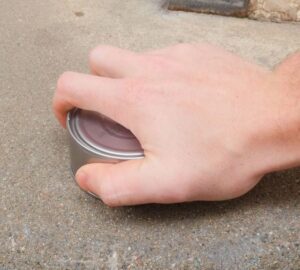
If your basement safe room has concrete available, you’re in luck — you don’t even need tools to open your cans!
Just rub the top of the can against the concrete to wear away the rim of the lid. 

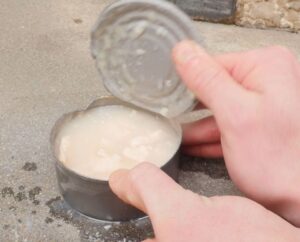
When enough of the rim is gone, which you can tell if you see moisture on the lid, wipe off any filings, then squeeze the can, and the lid will pop off.

This technique takes a little strength and a little patience!

Of course, the smartest thing to do is plan ahead and make sure you include a manual can opener in your shelter-in-place kit. But if a zombie apocalypse or camping mishap takes you by surprise, you definitely don’t have to starve.