
Does your neck suddenly appear wider for no apparent reason? This subtle change could reveal more than just a cosmetic detail. Our bodies sometimes communicate through subtle signals – and this one deserves your full attention.
Are the veins in your neck bulging? This sign should not be ignored.
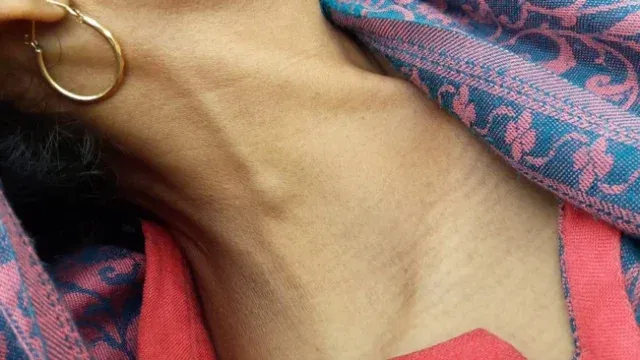
Have you ever noticed a particularly visible vein on the side of your neck? In medical terms, this is called jugular vein distension . This phenomenon corresponds to an apparent swelling of this vein , generally more pronounced when you are slightly inclined.
Although usually painless, this symptom can indicate a more serious problem , particularly with your circulatory system. Surprisingly, this small, sometimes subtle sign can be one of the first symptoms of a potential heart condition .
Why do we observe this swelling in the neck area?
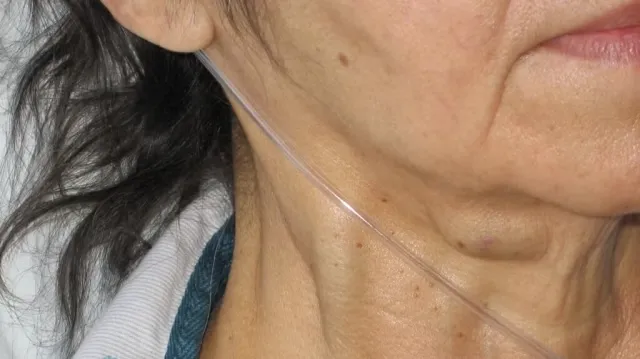
Several factors can explain this venous protrusion, most of which are related to impaired cardiac function :
- A weakening heart : When the right ventricle struggles to perform its pumping function, blood can stagnate in the veins, causing this characteristic swelling in the cervical region.
- High pulmonary pressure : It creates a kind of blood bottleneck, slowing down venous return to the heart.
- A pericardium that is too rigid : If this cardiac sac is inflamed or marked by scars, it prevents the heart from filling properly, with repercussions on the jugular veins.
- An obstruction on the superior vena cava : Although rare, this obstruction can be caused by a thrombus or a tumor mass.
Certain valvular malformations or the accumulation of pericardial fluid can also generate these symptoms.
Other signs that should alert you
Jugular distension is frequently accompanied by other signs that must be recognized :
- Unusual fatigue despite decent nights' sleep
- Unexplained swelling in the lower limbs or abdomen
- Urgent urges to urinate during the night
- A persistent cough or abnormal shortness of breath
- Episodes of confusion or memory lapses
- A loss of appetite or a feeling of early fullness
These symptoms, taken individually, are not necessarily worrisome. However, their combination may indicate a circulatory or cardiac problem . In this case, a medical consultation is necessary.
How should we react to these symptoms?
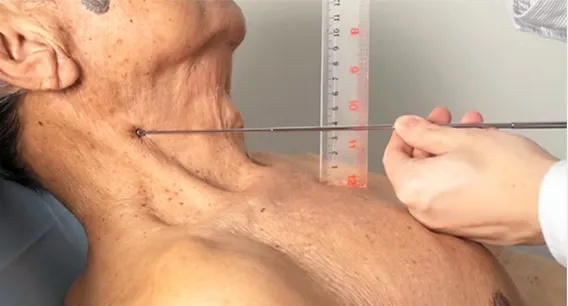
Let's be frank: this type of condition can't be fixed with herbal teas or home remedies. The first thing to do is make an appointment with a doctor . Only a professional can make an accurate diagnosis through appropriate examinations (echocardiography, CT scan, etc.) and identify the exact cause of the problem.
Treatment options vary considerably: sometimes simple medication is sufficient, while other situations require a more specialized approach . In any case, the earlier the diagnosis, the simpler and more effective the solutions .
Knowing how to listen to your body is the first step to taking care of it.


0 Comment:
Post a Comment