
Most of us treat sleep like an on/off switch—you lie down, close your eyes, and hope to wake up rested. But the way you sleep, and even the side you choose, can influence how well your body rests. Many older adults struggle with restless nights, morning stiffness, and waking up still tired. Poor sleep can quietly build up over time, affecting memory, mood, and even heart health. When your body doesn’t get the deep rest it needs, it can’t fully repair cells, balance hormones, or refresh your mind. And here’s what’s often overlooked: the position you sleep in can gently shape how your organs, circulation, and even digestion work while you rest.
The problem is, most people don’t realize their sleeping side might be working against them. Gravity doesn’t take a break when you sleep—it still pulls on your heart, your lungs, and your digestive organs. Lying on certain sides may place subtle pressure on your heart or cause acid reflux to worsen. Sleeping flat on your back can sometimes lead to snoring or shallow breathing, especially as we age. It’s no wonder so many people wake up feeling more drained than when they went to bed. But what if a simple shift to the left side could help?
Let’s count it down. There are three often-under-recognized reasons people talk about the left side—and I’ll save the most surprising one for last.

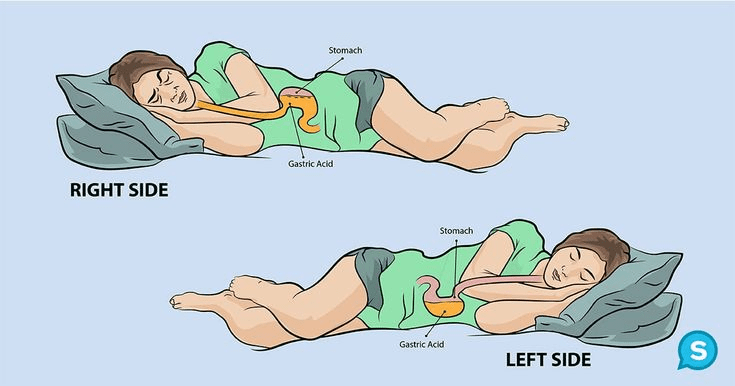
At #3: Supporting better digestion. When you lie on your left side, your stomach naturally sits below your esophagus because of how your organs are arranged. This position may help gravity keep stomach acid from flowing back up, which can reduce nighttime heartburn for some people. If you’ve ever felt that burning sensation creep up while you’re trying to sleep, this might be why. It’s not a cure, but it may give your digestive system a gentler night. Imagine finishing dinner and knowing you’re giving your body a smoother path to rest—that’s the first small reward.
#2 is about circulation. Your heart sits slightly on the left side of your chest. Some studies suggest that lying on the left side may allow your heart to pump more easily, as gravity helps return blood from your lower body back to your heart. This can be especially comforting if you often wake up with swollen feet or hands, a sign that blood and fluid are pooling overnight. Many older adults quietly deal with this, not realizing their sleep position might play a part. A subtle shift to your left could gently encourage better blood flow while you rest. That means you may wake up with lighter legs and less puffiness—a second reward worth noting.
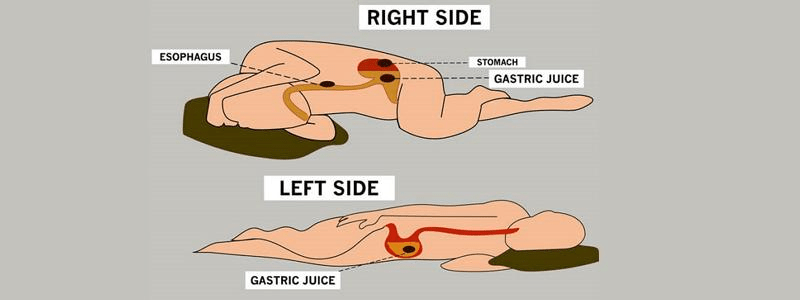
And now for #1, the part that surprised me most: lymphatic drainage. Your lymph system is your body’s natural cleanup crew, carrying away waste and toxins from your tissues. It flows more easily on the left side of your body, where the largest lymphatic duct empties. Some research indicates that sleeping on your left may help your body clear waste from the brain and other tissues more effectively during the night. This is important because your brain actually “washes” itself while you sleep, flushing out proteins linked to memory problems. This doesn’t mean left-side sleeping prevents anything, but it may give your body a little extra support while it does its quiet overnight work.
Of course, none of this means you must stay frozen on your left side all night. Most of us naturally roll around as we sleep, and that’s okay. The goal isn’t perfection—it’s simply giving your body the option of a position that may work with it instead of against it. If lying on your left feels uncomfortable at first, try placing a pillow behind your back to keep from rolling, or put a small pillow between your knees to keep your hips aligned. And always consult a healthcare professional before making changes if you have any medical conditions, especially heart or breathing issues.
What amazed me most is how something so small could feel so different. I used to think improving sleep required big changes—new mattresses, fancy pillows, strict routines. But sometimes it’s as simple as the side you choose when you close your eyes. Left-side sleeping may quietly support your heart, your digestion, and your body’s overnight cleaning system, all while you drift through dreams.
So tonight, when you slip into bed, try this gentle experiment. Scoot to the left side. Tuck a pillow behind you. Let your body settle and see how it feels in the morning. It might just be the smallest change with the biggest difference.
Try this small change this week and tell us what happened.


0 Comment:
Post a Comment