
This seemingly insignificant detail of clothing hides a fascinating history linked to ancient social traditions. Discover why this difference persists in our modern wardrobes!
A matter of wealth and social class
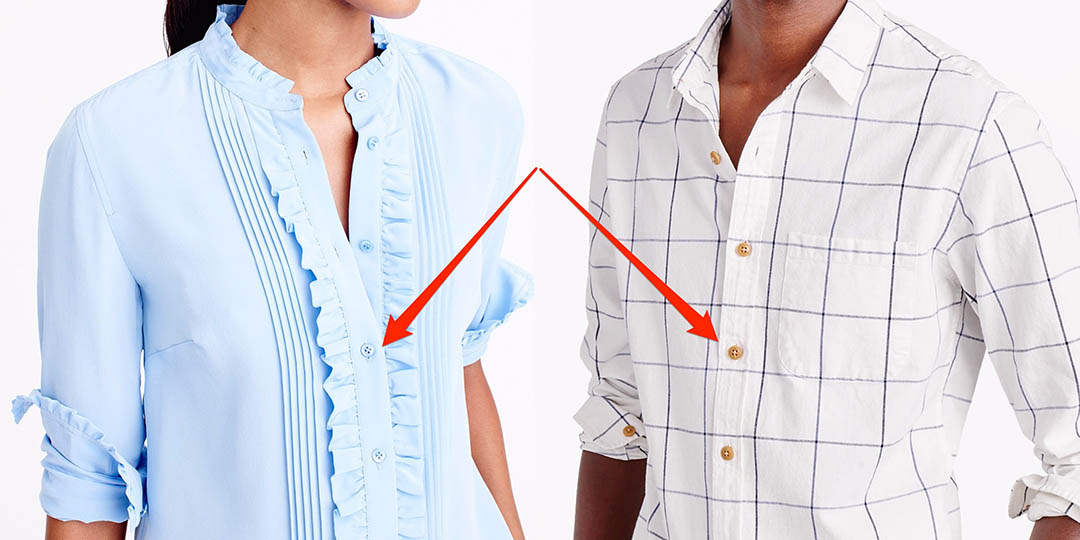
In the 13th century, buttons were not simply a practical accessory. They symbolized high social status. At that time, only the wealthiest could afford to wear them, as buttons were made from precious materials such as gold, silver, or pearls. But the way the buttons were arranged also held significance.
Women did not dress themselves…

In wealthy families, women's clothing was particularly elaborate. But these women didn't dress themselves; they were assisted by servants. Since most people were right-handed, tailors adopted the practice of sewing buttons on the left side of women's garments. This made the work of the servants easier, as they could adjust the outfits by standing in front of their mistress. Thus, this button placement became a marker of wealth: only women wealthy enough to employ staff wore clothing designed in this way.
And what about the men in all of this?
For men, the right-handed button placement served a practical purpose. Most soldiers were right-handed and carried their swords on their left side. Having the coat buttons on the right allowed them to quickly open it with their left hand, while keeping their right hand ready to draw.
Furthermore, men dressed themselves, unlike upper-class women. It therefore made sense that their clothes were designed to be easier for a right-handed person to button.
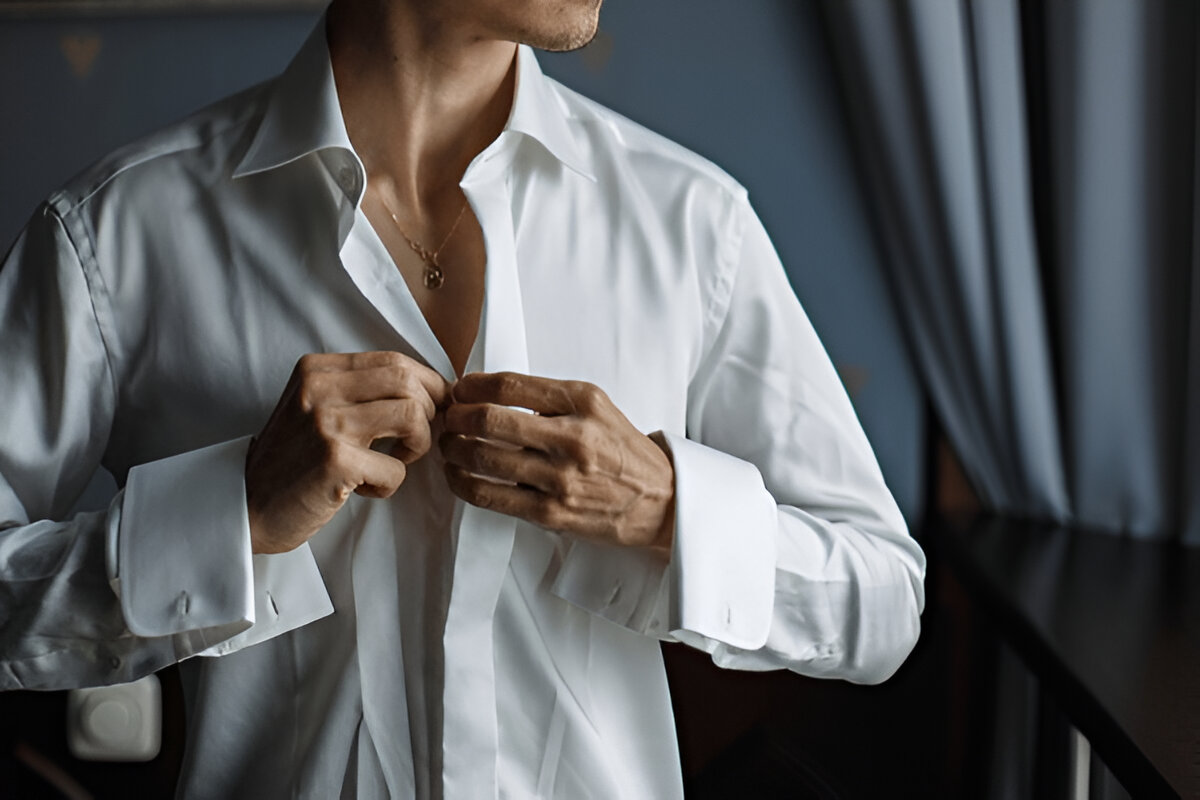
One might think that this distinction would have disappeared over time. After all, women no longer need maids to dress them, and men no longer carry swords! Yet, fashion remains steeped in traditions passed down through the centuries.
Some brands continue to adhere to this historical rule, while others see it as a way to differentiate between men's and women's clothing in stores. But this difference in placement remains primarily a cultural legacy, a testament to past lifestyles.
A question of sartorial identity
Today, unisex clothing tends to erase these distinctions. Yet, some people consider this detail an important element of sartorial identity. The placement of buttons is not just a simple habit: it reflects the history of fashion, social power dynamics, and gender differences throughout the centuries.
So, the next time you button up a shirt, think about the fascinating story hidden behind this simple gesture!


0 Comment:
Post a Comment