
What if the persistent feeling of tiredness, the small omissions in everyday life or the less shiny hair were due to a silent but essential deficiency? Vitamin E, often overlooked, plays a central role in our daily balance. Invisible, but effective, it acts like a protective shield for our cells. Do you want to know if you have a deficiency without realizing it? Read on to learn what that means and how to fix it naturally.
Why vitamin E is so valuable for your body
Vitamin E isn’t just a feel-good bonus: it’s essential for the body’s proper functioning. As an antioxidant, it fights free radicals, those tiny particles that accelerate cellular aging. The result: it protects the skin, boosts energy, supports the nervous system and boosts immunity. A discreet but fundamental role.
And the most surprising thing about it? It is possible that there is a deficiency without you realizing it, especially if the diet is unbalanced or the body does not absorb fat well.
Signs that should alert you
Muscle weakness for no apparent reason?
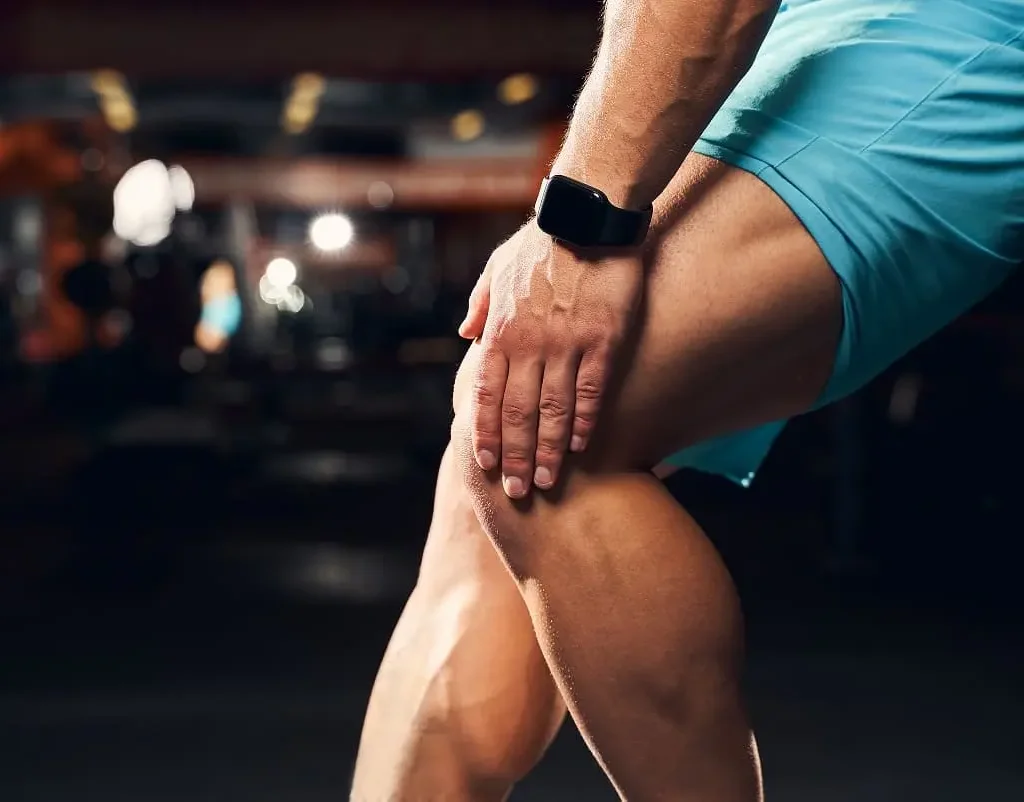
Vitamin E contributes to the maintenance of toned and well-coordinated muscles. If you find it difficult to carry your shopping bags or you get out of breath when climbing stairs, this may be a sign.
Decreased vision, especially at night
Blurred vision, increased sensitivity to light, poor vision in the dark… Vitamin E protects the retina. A deficiency can therefore insidiously impair vision.
Tingling or memory loss?

The nervous system is very sensitive to vitamin E. A deficiency can lead to numbness, reduced responsiveness or difficulty concentrating.
A less reactive immune system
Are you often ill? Does a simple cold last a long time? Vitamin E strengthens the immune system and helps the body defend itself.
Skin that looks more defined than your age
Because vitamin E protects skin cells, it helps maintain the skin’s radiance and elasticity. A dull complexion, early fine lines, or skin that is prone to blemishes can be telltale signs.
Fine, dull hair

But why do we lack it?
Too poor diet
If your meals are low in green vegetables, seeds, or nuts, you may be deficient in vitamin E.
Indigestion or certain diseases
Since vitamin E is fat-soluble, it needs fat to be absorbed properly. Diseases such as celiac disease or certain liver diseases can interfere with this absorption.
After bariatric surgery
People who have had gastric surgery should be careful: the intake of many nutrients, including vitamin E, may be reduced.
Simple actions to make sure you don’t miss anything
Good news: With the right diet, you can easily meet your vitamin E needs! Here are the foods you should prioritize:
- Wheat germ oil, the richest
- Sunflower seeds and almonds , ideal as a snack
- Avocado , delicious and nutritious
- Spinach and broccoli , to be prepared in a thousand ways
- Atlantic salmon , good for your health and your palate
And if, despite everything, you still feel signs of a deficiency, talk to your doctor. Dietary supplementation can be considered, but always under medical advice.


0 Comment:
Post a Comment