
The tongue, this small organ that is often neglected, is actually a true indicator of health. It can subtly alert us to imbalances in our body. By observing its color, texture, and overall appearance, we can spot certain early warning signs. Here are 4 visible signs on the tongue that you shouldn’t miss.
Four tongue symptoms to watch out for
: White tongue: what if it’s candidiasis?
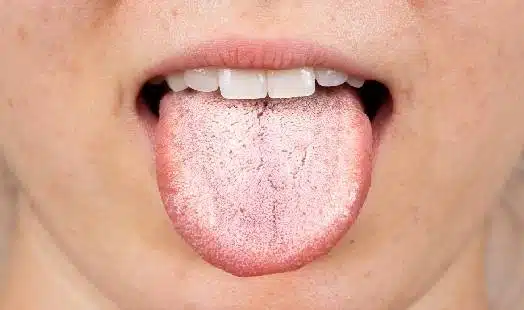
Do you notice a whitish, thick, or yellowish coating on your tongue? It could be oral thrush, a condition caused by the overgrowth of a naturally occurring fungus in the mouth: Candida albicans. This proliferation often occurs when there’s an imbalance.
Symptoms:
Tongue covered with a white or yellowish coating Bad
breath, metallic
taste Slight burning sensation
Good reflexes:
Brush your tongue gently every day.
Rinse your mouth with salt water or
baking soda. Reduce your intake of sugars and fermented foods.
Include foods rich in probiotics (plain yogurt, kefir, etc.)
Maintain good oral hygiene and
hydrate yourself sufficiently Red and smooth tongue: lack of vitamins?
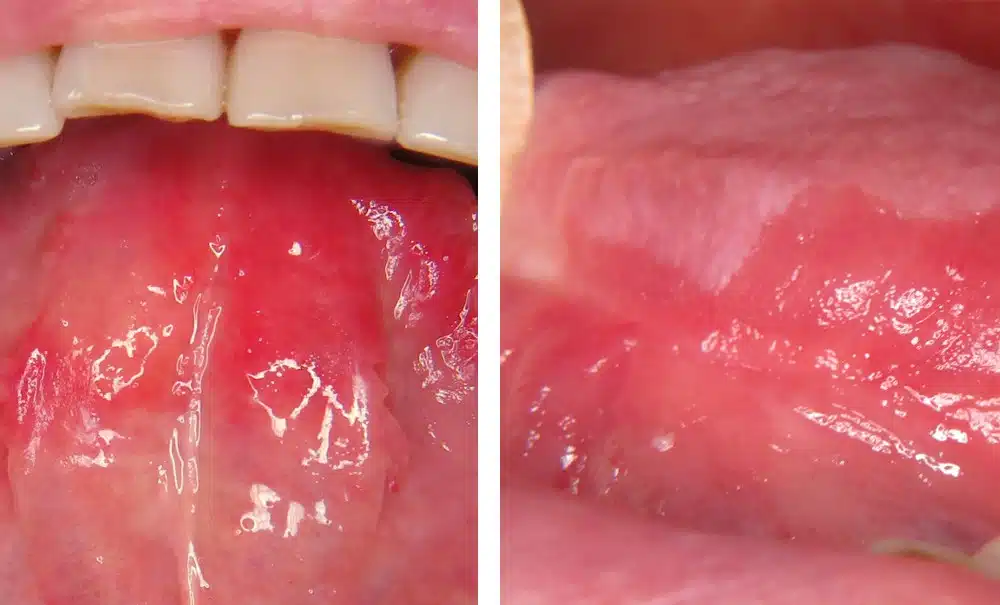
A pale, bright, red tongue with warts may indicate a deficiency in iron, vitamin B12, or folate. This is called a “bald” tongue and is often accompanied by fatigue.
Symptoms:
Red, smooth surface, sometimes shiny
Sensitivity to hot or spicy
foods Fatigue, pale complexion, possible
shortness of breath Good reflexes:
Eat foods rich in iron and B vitamins: spinach, lentils, red meat, eggs.
Ask your doctor for advice on possible supplementation.
Limit alcohol and overly spicy
foods. Watch your diet and
nutrient absorption. Cracked tongue: often mild, but something to watch out for.

Visible cracks on the tongue may not be serious. This so-called “geographic” tongue can be hereditary, but it can also be related to dehydration or certain skin conditions, such as psoriasis.
Symptoms:
Visible
grooves or crevices Small food particles that may get stuck in them
Occasional discomfort or irritation
Good reflexes:
Gently clean your tongue after every meal
Drink plenty of water daily
Avoid foods that are too acidic or spicy Consult
a professional if pain persists Purple
or dark tongue: a warning of circulation or deficiency

A purple, bluish, or very dark tongue may indicate a lack of oxygen, poor blood circulation, or vitamin B2 deficiency. It can also occur with extreme cold or breathing problems.
Symptoms:
Bluish or dark
tongue Cold extremities, fatigue, dizziness
Difficulty breathing, especially at night
Good reflexes:
Stay warm and avoid temperature fluctuations.
Move regularly to stimulate circulation.
Breathe deeply, especially if you suffer from sleep apnea.
Eat a diet rich in iron and B vitamins.
Seek medical attention promptly for persistent discomfort.
When should you see a doctor?
If any of these symptoms last longer than one to two weeks and are accompanied by pain, swelling, fever, or difficulty speaking or swallowing, it’s important to consult a doctor immediately. These symptoms may indicate health problems that require a thorough diagnosis.
Tips for a healthy tongue

Brush your tongue daily with a soft toothbrush or
tongue scraper. Stay hydrated throughout the day.
Avoid smoking and limit alcohol.
Visit your dentist at least twice a year.
Develop the habit of regularly observing your tongue: it may be the first thing that warns you of an imbalance.
Conclusion:
Observing your tongue can sometimes mean detecting imbalances before symptoms appear. A simple habit, but a true preventative measure. And if you have any concerns, don’t hesitate to consult a doctor.


0 Comment:
Post a Comment