
Discover the moving story of Zhang Wang, whose discovery of his stomach cancer revealed the unexpected impact of three common food products on his health.
When your diet turns against you: these risky foods
We often assume that food poisoning comes from expired or improperly stored products. But did you know that some common foods can promote the development of cancer, whether they are fresh or carefully prepared ? Their composition or preparation method can generate toxic substances, imperceptible but very real according to scientific studies.
Let's explore three concrete examples that, if consumed regularly, could increase your risk of developing certain serious illnesses . The aim is not to fuel fears, but to inform your food choices.
Processed meats and deli meats: a proven risk
Sausages, processed ham, bacon bits… These convenient and tasty products are staples in our daily meals. Yet, according to the WHO, processed meats are classified as known carcinogens , on par with alcohol or air pollution.
The problem? These foods contain nitrite-based preservatives that can be converted into nitrosate compounds in our bodies. These compounds are clearly linked to an increased risk of digestive cancers , especially with frequent consumption.
Our advice : reserve these products for exceptional occasions (maximum 1 time per week) and opt for nitrite-free versions or plant-based proteins.
Overcooked food: a danger lurking beneath the golden crust
Do you like well-grilled meats or caramelized vegetables? Be careful: cooking at very high temperatures (barbecue, griddle, frying) produces potentially carcinogenic compounds such as aromatic amines and PAHs .
These substances form when food browns excessively and are linked to several types of cancer , including digestive cancers.
Our advice : opt for gentle cooking methods (simmering, baking at a low temperature) and systematically remove any blackened parts.
Contaminated fruit: the invisible danger of mold
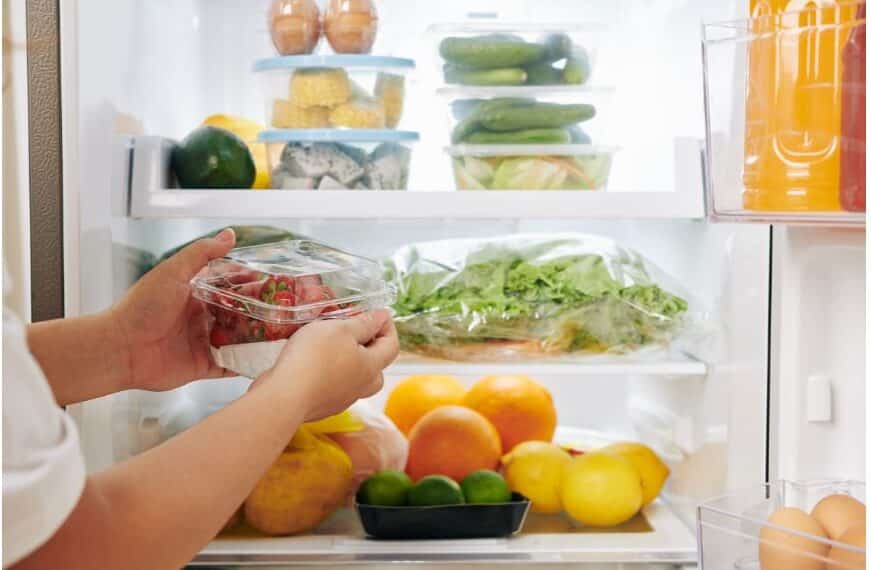
Many people believe that removing the moldy part of a fruit is enough to make it edible. Wrong: when the mold is visible, the fungal toxins have already contaminated the entire fruit .
These substances are heat-resistant and are not eliminated by cooking. A single infected piece of fruit can contaminate the others in your fruit bowl.
Our advice: as soon as mold appears, throw away the entire fruit. Prevention is better than cure.
Strategies to minimize risks on a daily basis
It's not about eliminating all potentially risky foods, but about adopting a balanced and informed approach . Here's how to reduce your exposure to problematic substances while still enjoying your food.

Reduce processed foods and cook more
- Choose artisanal deli meats without additives or bearing the label "without nitrite preservatives".
- Replace processed snacks with natural nuts , vegetable sticks or homemade spreads .
- Vary your protein intake: fish, eggs, legumes , minimally processed white meats.
Control your cooking modes
- Avoid prolonged cooking over high heat (grill, dry pan).
- Never let your food turn black or charred – always remove these parts.
- Favor cooking techniques that preserve nutrients: gentle steaming, poaching, cooking in sauce .
Pay attention to the quality of the fruits and vegetables.
- Do not consume any fruit showing even the slightest traces of mold .
- Buy in appropriate quantities and store in a dry, well-ventilated place .
- Clean and dry your fruit thoroughly before storing.
Become a savvy consumer
- Always read the labels: beware of codes E250 to E252 (nitrites/nitrates).
- Opt for products with a short and understandable list of ingredients .
- Favor seasonal foods and raw products.
Adopt a protective diet
- Incorporate foods with antioxidant and anti-inflammatory properties :
- Berries, cabbage, onions, spices, oilseeds, green tea…
- Increase your fiber intake (whole grains, legumes) to support your gut microbiota.
- Hydrate yourself primarily with water rather than sugary drinks
Mindful eating for preserved health
The goal isn't to develop a food phobia, but to understand that our eating habits have a real impact on our long-term health . A few simple adjustments can significantly reduce our exposure to problematic substances… without sacrificing the pleasure of good food.
Your diet can be a powerful tool for prevention, provided you make informed choices.


0 Comment:
Post a Comment