
A disturbing discovery has been made in France: for the first time in history, ticks carrying the Crimean-Congo hemorrhagic fever (CHF) virus have been found in the country.
The disease, which the WHO has declared a global health priority, is known for its high mortality rate and its similarities to the Ebola virus.
Until now, the disease has been prevalent in parts of Africa, the Balkans and the Middle East, but its presence in France raises serious questions about the evolution of infectious diseases in Europe.
First in France: why does this matter?
The International Agronomy Research Center in Sirad conducted a collective monitoring of ticks in France. Of the more than 2,000 samples collected, about 100 tested positive for the CCHF virus.
What does this mean:
There is an increased risk of transmitting the virus to humans, especially in regions where these ticks breed.
Potential impact on local wildlife requiring in-depth research.
A warning sign for the development of various diseases in Europe.
Hyalomma marginatum tick: a rapidly spreading vector
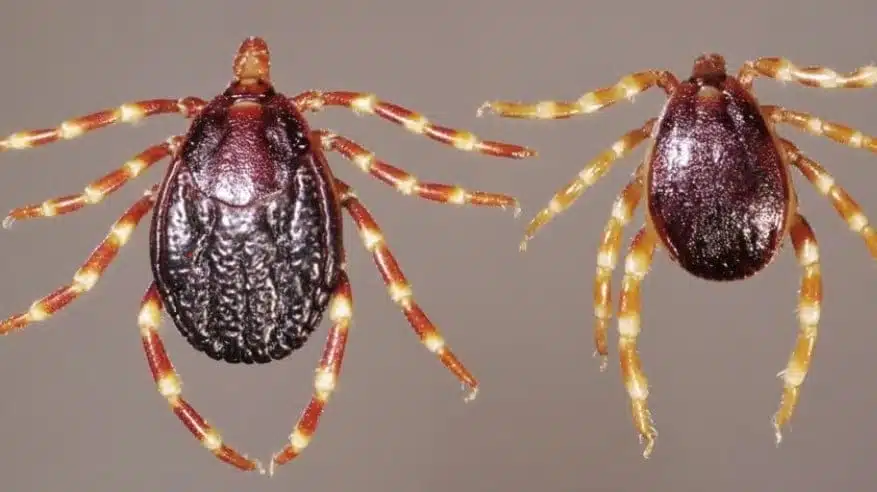
The FHCC virus is transmitted by the tick Hyalomma marginatum, especially in the Mediterranean region.
Why this extension?
Climate change: Rising temperatures lead to poorer survival and reproduction of ticks.
Ecosystem change: Migrating animals can carry these parasites to new areas.
What are the threats to the population?
LFHCC manifests itself through:
Sudden high fever
Internal and external bleeding
In severe cases, the mortality rate reaches 40%.
There is no specific treatment, so effective prevention is important.
How to protect yourself from ticks that carry the CCHF virus?
Avoid places where pests appear: tall grass, forests, pastures.
Wear long, light-colored clothing to make it easier to spot ticks.
Apply appropriate repellent before every time you go out into nature.
After a walk, inspect the skin and immediately remove any attached ticks.
In case of a suspicious bite, seek medical attention immediately.
Health monitoring alert
The emergence of the FHCC virus in France is a serious warning signal for health services and the public.
In light of global warming and changes in ecosystems, it is necessary to strengthen surveillance of certain diseases and raise public awareness about effective preventive measures.
The discovery could mark the beginning of a new era in epidemiology, when diseases that once appeared in remote areas will become local threats.


0 Comment:
Post a Comment