
A little dribble of saliva on your pillow when you wake up? If this happens to you often, it might not be just an embarrassing habit. In children, it’s common, but in adults, it could signal an underlying disorder. Your body may be trying to alert you…
Here are the 6 main medical causes that can explain excessive nocturnal salivation, and above all, how to remedy it naturally.
6 Possible Medical Causes of Excessive Salivation at Night
Oral problems: from gums to misaligned teeth
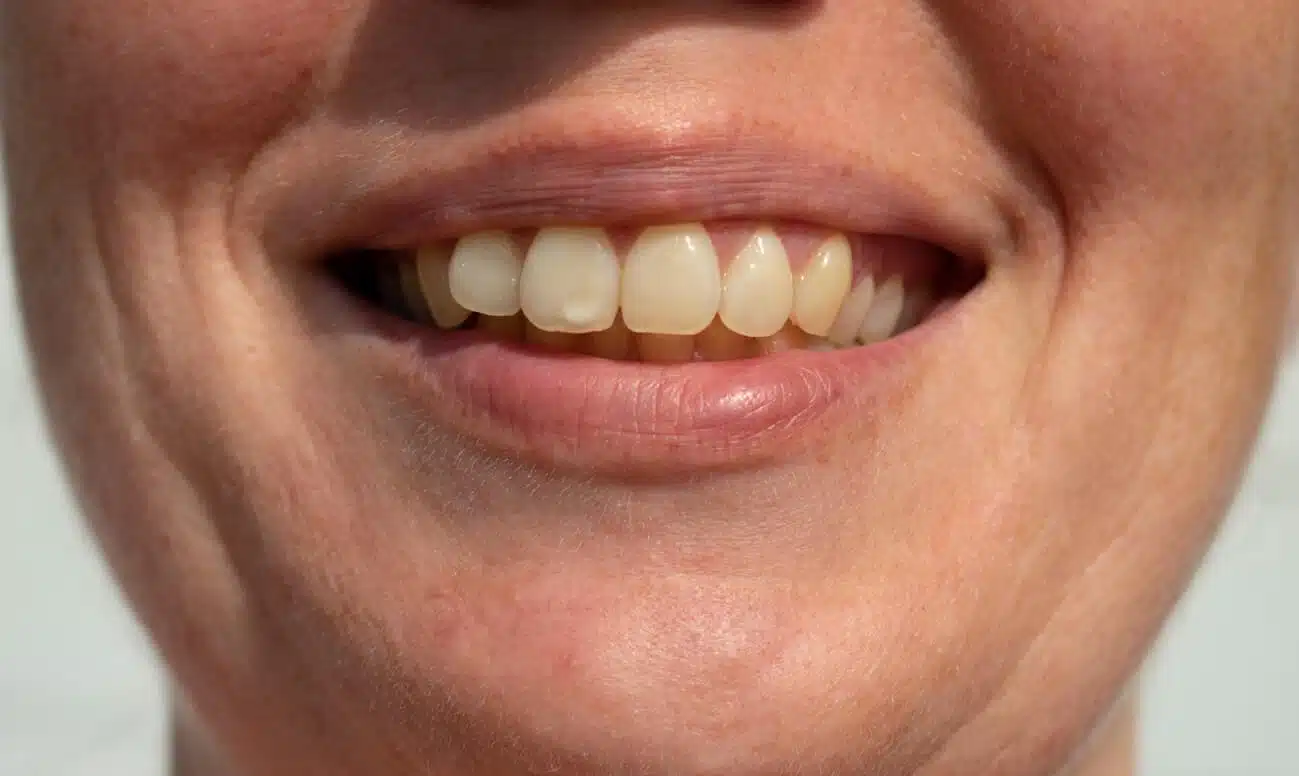
Inflammation, infections, cavities, or even poorly fitting dentures can overstimulate the salivary glands. Dental misalignment or gingivitis can be enough to disrupt saliva regulation during sleep.
Helpful tip: Consult your dentist if you have any doubts. A healthy, well-aligned mouth is essential to limit this phenomenon.
Facial paralysis: visible muscle weakness
If one side of your face appears less toned or even frozen, it could be a sign of facial paralysis. The imbalance makes it difficult to retain saliva, especially on the affected side.
To watch out for: a drooping corner of the mouth, an eye that remains open… In this case, consult a doctor quickly.
Gastroesophageal reflux: when acid rises
This digestive disorder promotes excess saliva. Why? Acidity rising in the esophagus triggers a protective reflex: salivation.
Associated symptoms: heartburn, chest pain, bitter taste in the mouth. Targeted treatment can make a real difference.
Parkinson’s disease: a little-known side effect
Excessive salivation is common in affected patients. Not only is saliva produced in excess, but difficulty swallowing it worsens the problem.
This symptom is often accompanied by: tremors, muscle stiffness, slowness of movement.
Cerebral thrombosis: watch out for warning signs
A clot in the brain can affect the muscles responsible for swallowing. As a result, saliva builds up during sleep, especially on one side.
Medical emergency if you observe: continuous drooling on one side, facial asymmetry, speech or vision problems.
Arteriosclerosis: A Silent Threat in the Elderly
Atherosclerosis can reduce oxygen supply to the brain. This deficiency weakens facial muscles and impairs swallowing.
Be vigilant if you have: hypertension, diabetes, high cholesterol. Good cardiovascular prevention is essential.
3 Simple Remedies to Reduce Nighttime Salivation
Change your sleeping position

Sleeping on your back promotes better mouth closure. Avoid sleeping on your stomach or side , especially if your mouth opens easily during sleep. An ergonomic pillow can improve your posture.
Take care of your oral hygiene
Thorough brushing, flossing, and proper mouthwash are essential. Poor hygiene or a mild infection can be enough to disrupt saliva production.
Check your medical treatments
Some medications can increase salivation. If you suspect a side effect, talk to your doctor. Never change any medication without medical advice.
In summary

Drooling during sleep is not necessarily benign . It can reveal oral, digestive, or neurological imbalances . The good news is that in many cases, simple, natural actions can help you regain a peaceful, dry sleep.
Stay tuned to your body…even at night.


0 Comment:
Post a Comment