
Zhang Wang, a 38-year-old computer programmer, never imagined his lifestyle would harbor a hidden threat. As a sober person and a non-smoker, he believed he had every chance on his side. And yet… One day, while working, he collapsed from severe gastrointestinal bleeding. The diagnosis was stomach cancer. The surprise was complete. But the doctors were in for an even more unexpected discovery: something was hiding in his refrigerator.
How can food become the enemy of your health?
We often think that the risk comes from poorly stored food or a dish left on the kitchen counter for too long. However, some foods are potentially carcinogenic, regardless of whether they are refrigerated or not, raw or perfectly cooked. Due to their composition or transformation, they may contain toxic substances invisible to the naked eye but well known to researchers.
Here are three everyday examples that may unknowingly contribute to the development of certain cancers. The point isn’t to instill fear, but to increase understanding so you can make better choices.
Cold cuts, sausages, bacon, industrial ham… These practical and tasty foods are often part of our daily appetizers or sandwiches. However, the World Health Organization has ruled that processed meats should be classified as a Group 1 carcinogen, like tobacco or asbestos.
Why? These products contain nitrites and nitrates, added for preservative purposes, which can be converted into nitrosamines in the body. These compounds are closely linked to an increased risk of colon cancer, especially with regular consumption.
The right reaction: limit your consumption of processed meats to occasional meals (if possible, less than once a week) and choose nitrite-free substitutes or plant-based proteins.
Charred Residues: The Invisible Poison on Your Plate
Have you overheated a lasagna dish or steak until it develops a golden crust? Warning: High-temperature cooking (grilling, broiling, deep-frying) can result in the formation of carcinogenic compounds such as heterocyclic amines (HCAs) and polycyclic aromatic hydrocarbons (PAHs).
These substances are formed when animal proteins are exposed to very high temperatures and have been linked to colon, pancreatic, and prostate cancers.
The right reaction: avoid overly grilled or burnt foods. Choose gentle cooking methods (steaming, braising) and remove any burnt parts before eating.
Why? These products contain nitrites and nitrates, added for preservative purposes, which can be converted into nitrosamines in the body. These compounds are closely linked to an increased risk of colon cancer, especially with regular consumption.
The right reaction: limit your consumption of processed meats to occasional meals (if possible, less than once a week) and choose nitrite-free substitutes or plant-based proteins.
Charred Residues: The Invisible Poison on Your Plate
Have you overheated a lasagna dish or steak until it develops a golden crust? Warning: High-temperature cooking (grilling, broiling, deep-frying) can result in the formation of carcinogenic compounds such as heterocyclic amines (HCAs) and polycyclic aromatic hydrocarbons (PAHs).
These substances are formed when animal proteins are exposed to very high temperatures and have been linked to colon, pancreatic, and prostate cancers.
The right reaction: avoid overly grilled or burnt foods. Choose gentle cooking methods (steaming, braising) and remove any burnt parts before eating.
Moldy Fruit: Small Spots That Hide Big Dangers
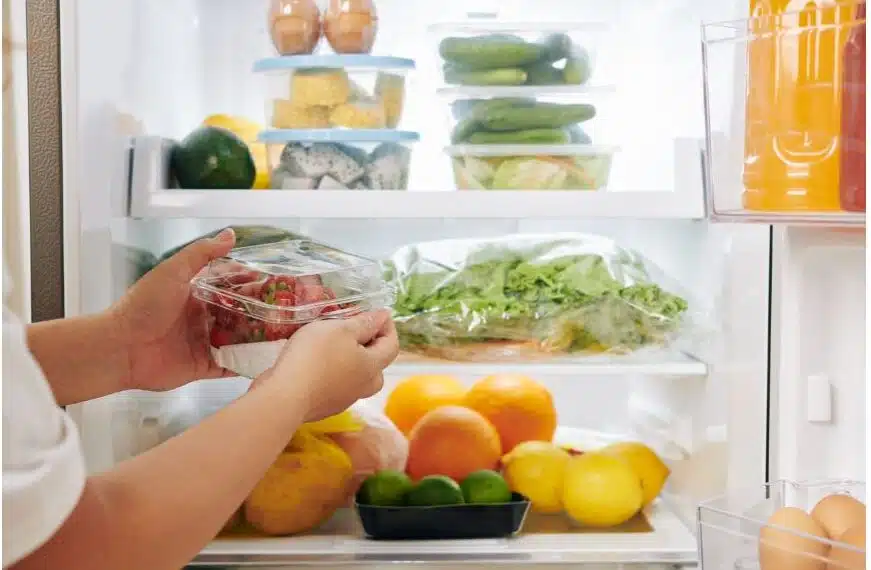
Who hasn’t ever cut off a damaged part of an apple just to eat the rest? Unfortunately, by the time mold becomes visible, mycotoxins like aflatoxins have already spread throughout the fruit.
These substances are carcinogenic and persist even after prolonged cooking. One infected apple can infect several others in the basket.
What to do: At the slightest sign of mold, discard the entire fruit. Prevention is better than cure.
How can we reduce risk on a daily basis?
It’s not about banning all questionable foods, but about making informed choices. Prevention relies primarily on balance, variety, and a few simple good habits.
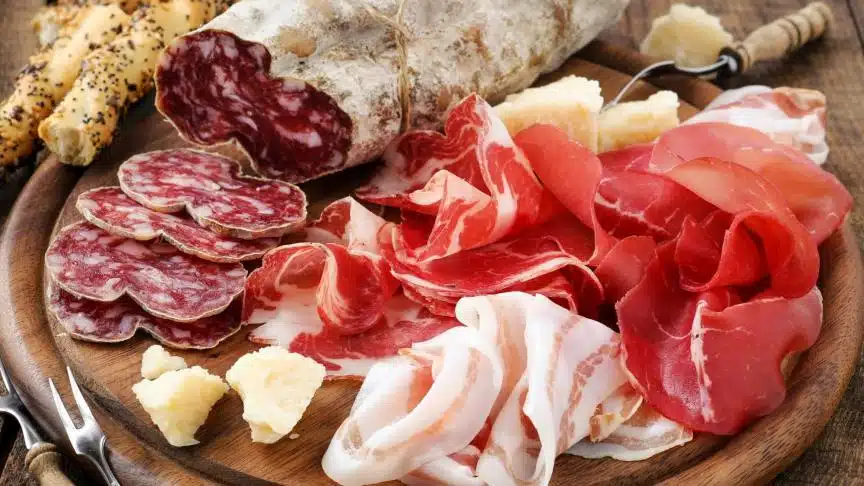
Limit processed meats and choose homemade food.
Choose artisan meats without nitrites or products labeled “no nitrite salt added.”
Master the art of cooking to avoid toxic compounds.
Avoid prolonged cooking at very high temperatures (dry pan, grilling, intense frying).
Never allow food to burn or blacken: remove any charred parts.
Choose gentle cooking methods: steaming, stewing, boiling, or poaching. These also preserve nutrients better.
Monitor the condition of fruits and vegetables.
Do not consume fruit covered in mold, even partially. Mycotoxins are invisible and widely distributed.
Buy in small quantities to avoid losses and store in a dry, ventilated place, away from heat.
Wash and dry fruit thoroughly before storing to reduce mold growth.
Be vigilant when shopping.
Read labels: watch out for terms like “cold cuts”,
preservatives E250/E251” (nitrates/nitrites).
Choose simpler products with a short ingredient list and no unnecessary additives
.


0 Comment:
Post a Comment