More Stories

Tuesday, February 3, 2026

Why do mosquitoes only bi:te you? The reason will surprise you... Read more 👇

by


Why Mosquitoes Always Seem to Bite the Same People

Many people recognize this situation: a calm outdoor gathering, a pleasant evening, and when it ends, one person is covered in mosquito bites while everyone else seems untouched. It doesn’t matter whether repellent was applied, long sleeves were worn, or grass was avoided. The conclusion feels unavoidable—mosquitoes clearly have favorites.

This isn’t bad luck or imagination. Science shows that mosquito attraction is driven by biology, body chemistry, and environmental factors, many of which are far more powerful than people realize.

Mosquitoes Don’t Bite Randomly

Only female mosquitoes bite humans, and they do so because they need blood to reproduce. Over time, they’ve evolved an advanced sensory system that helps them locate the most suitable hosts.

The human body constantly releases signals that act like a tracking system for mosquitoes. Some people simply emit stronger or more attractive signals than others.

Carbon Dioxide: The Strongest Signal

One of the most important factors is carbon dioxide (CO₂). Every breath releases CO₂, and mosquitoes are extremely sensitive to it.

People who are taller, have more body mass, or are physically active tend to emit more CO₂, making them easier for mosquitoes to detect. Body heat works alongside CO₂, guiding mosquitoes directly toward their target.

Body Odor and Skin Bacteria

Natural body odor plays a major role. Human skin is home to millions of bacteria that produce specific chemical compounds. This creates a unique scent profile for each person.

For mosquitoes, certain scent combinations are especially appealing. This has nothing to do with cleanliness—it’s a biological trait that makes some people more attractive than others.

Bl00d Type Matters

Research has shown that blood type influences mosquito preference. People with type O blood are bitten more frequently, while those with type A tend to attract fewer mosquitoes.

Some individuals also release chemical markers through their skin that make their blood type easier for mosquitoes to detect.

Sweat, Lactic Acid, and Exercise

Mosquitoes are often more active around people who have been exercising. That’s because sweat and lactic acid, released through the skin, combine with higher body temperature.

This mix creates a powerful attraction, explaining why bites often increase after physical activity.

Clothing Color Can Increase Bites

Mosquitoes are highly visual insects. They are more attracted to dark colors such as black, navy, and red, which create stronger contrast.

Light-colored clothing reflects more light and tends to make people less noticeable to mosquitoes.

Alcohol, Hormones, and Fragrances

Studies suggest that alcohol consumption can increase mosquito attraction, possibly due to changes in body heat and metabolic byproducts.

Hormonal shifts such as during pregnancy, menstruation, or high stress can also alter body odor and increase attractiveness to mosquitoes.

Perfumes and skincare products may worsen the effect. Floral or fruity scents can mimic natural odors mosquitoes associate with food, while some cosmetics change skin pH in subtle but significant ways.

Genetics: The Factor You Can’t Change

Perhaps the most important factor is genetics. Scientists estimate that 60–70% of mosquito attraction is determined by DNA.

This explains why some people feel “cursed” with mosquito bites. In reality, it’s an inherited combination of chemical signals that mosquitoes find irresistible.

Environment and Climate

Mosquitoes thrive in warm, humid conditions and are most active at dawn and dusk. Living near standing water or in tropical regions naturally increases exposure.

How to Reduce Mosquito Bites

While biology can’t be changed, risk can be reduced by:

  • Using effective repellents
  • Wearing light-colored, breathable clothing
  • Avoiding outdoor activity at peak mosquito times
  • Eliminating standing water near living spaces

Understanding why mosquitoes prefer certain people helps replace frustration with clarity. Being bitten more often isn’t personal and it’s simply body chemistry doing what nature designed it to do.

Read more in the first comment 👇👇

by


dle age is often described as a period of stability, yet for many people it is a time of quiet emotional strain. Career pressure, aging parents, changing bodies, long-term relationships, and shifting identities can all take a toll. One factor that is frequently overlooked but deeply influential is intima:cy. When intima:cy decreases in midlife, the risk of depression can quietly increase.

Understanding Intima:cy Beyond Sex

Intima:cy is often reduced to sexual activity, but it is far broader than that. Intimacy includes emotional closeness, physical affection, feeling seen, being touched with care, and sharing vulnerability. In middle age, s3xual frequency may decline naturally, but when intimacy as a whole diminishes, emotional well-being can suffer.

Many people in their 40s and 50s experience less affection not because of lack of love, but because of stress, fatigue, health changes, or unspoken resentment. Unfortunately, the emotional consequences of this shift are rarely addressed.

The Biological Link Between Intima:cy and Mood

Physical and emotional intim:acy trigger the release of key brain chemicals that regulate mood. Oxytocin, often called the “bonding hormone,” increases feelings of trust and emotional safety. Dopamine contributes to motivation and pleasure, while serotonin supports emotional balance.

As intimacy decreases, these neurochemical signals may become less frequent. Over time, this reduction can contribute to low mood, emotional numbness, irritability, or feelings of emptiness early signs commonly associated with depression.

In middle age, when hormone levels are already changing, the absence of these natural mood stabilizers can be felt more strongly.

Emotional Isolation in Long-Term Relationships

One of the most painful realities of midlife depression is that it can occur within a relationship. Many middle-aged adults are not alone, yet still feel emotionally isolated. Conversations become practical rather than personal. Touch becomes functional rather than affectionate. Silence replaces connection.

This emotional distance can create a sense of invisibility—feeling unimportant, undesired, or taken for granted. Over time, these feelings may erode self-worth and increase vulnerability to depressive symptoms.

Gender Differences and Hidden Struggles

Men and women often experience the link between intimacy and depression differently. Men may internalize emotional pain, expressing it as irritability, withdrawal, or fatigue rather than sadness. Women may experience heightened loneliness, anxiety, or self-doubt, especially during hormonal transitions such as perimenopause.

Social expectations also play a role. Middle-aged adults are often expected to be “emotionally stable,” which discourages them from seeking help or even acknowledging emotional needs.

When Reduced Intima:cy Becomes a Risk Factor

A decrease in intimacy does not automatically lead to depression. However, the risk increases when it is combined with:

  • Chronic stress or burnout
  • Health problems or body image changes
  • Caregiver fatigue
  • Poor communication in relationships
  • Long-term emotional neglect

When emotional needs go unmet for extended periods, the mind may interpret this as rejection or loss, even if no one intends harm.

Protecting Mental Health Through Connection

The solution is not simply “more s3x,” but more connection. Small, consistent gestures—holding hands, meaningful conversation, physical affection, shared routines—can restore a sense of closeness.

Open communication is essential. Many couples never discuss changes in intima:cy, allowing assumptions and resentment to grow. Seeking counseling or therapy can help reframe intima:cy in ways that fit current life stages.

For individuals without partners, intimacy can still exist through close friendships, supportive communities, touch-based therapies, and emotional openness.

Final Thoughts

Intimacy is not a luxury and it is a psychological and biological need. In middle age, when life becomes more complex, the absence of intimacy can quietly increase the risk of depression.

Recognizing this connection is not about blame or shame. It is about understanding that human connection remains essential at every stage of life. Protecting intima:cy—emotional and physical—is one of the most powerful ways to protect mental health in midlife.

Monday, February 2, 2026

This morning I went into the bathroom just to wash myself – a perfectly normal start to the day. But as soon as I lifted the toilet lid, my breath caught. At the bottom, right in the water, I could see something dark. At first I thought maybe some object had fallen in – a brush, a bottle, who knows. But then it… moved.😨

by


 This morning I went into the bathroom just to freshen up – a normal start to the day. But as soon as I lifted the toilet lid, my breath caught. At the bottom, in the water, I could see something dark. At first I thought that maybe some object had accidentally fallen in – a brush, a bottle, who knows. Then this… moved.😨

I was speechless. For a few seconds I couldn't believe my eyes – the movement was slow and smooth, as if someone was lifting the water from below. However, it soon became clear to me what it was and I ran out of the house in a panic. ðŸ˜±ðŸ˜±I told the details in the first comment.👇👇

Dark, scaly skin showed through the surface, and I knew: this wasn't an object. This was a snake. A real one, long, sleek, curling right into the toilet bowl.

My heart seemed to stop. I slammed the lid shut so he wouldn't crawl out, and without hesitation, I grabbed the children. We ran out of the house, not even locking the door.

My hands were shaking, my breathing was labored, and there was only one thought running through my head: how did she even get there?

After a few minutes, I was calling the experts. When they came and carefully opened the lid, the snake was still inside – curled up in a tight ball.

In the morning I lifted the toilet lid and saw something strange in the water: at first I thought some object had fallen in, until it started moving.

One of the men said that it most likely slipped through the sewer and that, it turns out, this is not uncommon – especially in the summer, when the reptiles seek coolness and water.

I stood on the threshold, unable to look away. It seemed as if this ordinary, familiar home was no longer as safe as it used to be. Since then, every time I enter the bathroom, I involuntarily glance at the toilet – to see if something is moving there again…

The article is informative in nature and is intended for general awareness only. The completeness and exhaustiveness of the information is not guaranteed.


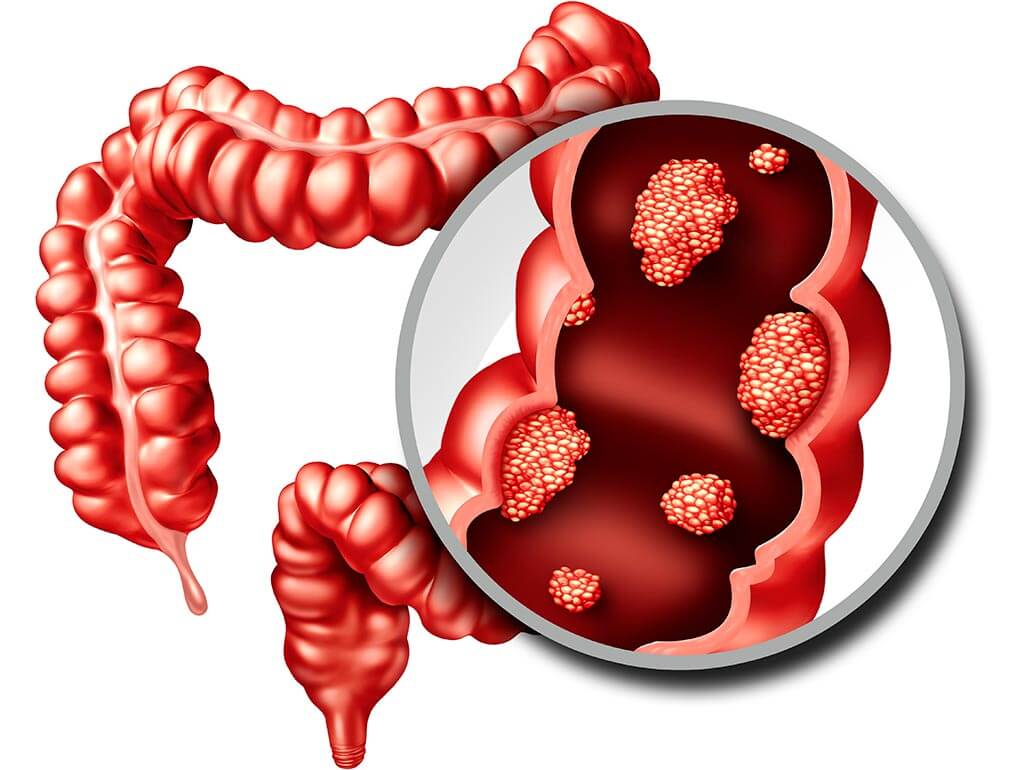
A 14-Year-Old Girl Diagnosed with Bowel Can:cer Due to Her Mother’s Busy Schedule: A Wake-Up Call About 5 Foods Children Should Never Eat for Breakfast

by


Children are in their prime stage of

growth and development. Many parents spend a lot of money on nutritional supplements, but they often overlook the most important ingredient for their child’s health: a decent breakfast. One devastating instance includes a 14-year-old girl who was diagnosed with colon can:cer after years of terrible breakfast habits.

Ms. Zhang, the girl’s mother, is a strong, career-driven woman. Because of her demanding schedule, she rarely had time to make breakfast. Instead, she would give her daughter money to buy meals or occasionally provide her a simple hamburger to go.

One day, Ms. Zhang received a call from her daughter’s teacher informing her that the girl was in extreme abdominal discomfort and rolling on the floor. Ms. Zhang, stunned and terrified, raced to the hospital.

After the inspection, the results astounded everyone: a 14-year-old girl had been diagnosed with colon cancer.

Symptoms of Bowel Cancer. Booking Health

Why Would a 14-Year-Old Have Bowel Can:cer?

Doctors explored that the girl had been consuming fast food, such as hamburgers, for breakfast over several years. Her mother, too busy to cook, had unknowingly allowed this harmful habit to grow. This prolonged consumption of unhealthy food was recognized as the leading reason of her condition.

At an age where she should be healthy and thriving in her studies, this young girl is now forced to deal with illness and a race against time to save her life.

Nutritionists Concern: 5 Foods Children Should NEVER Eat for Breakfast

1. Undercooked Eggs

Many mothers enjoy having eggs for breakfast, but they must be completely cooked. In Taiwan, a family fed their 2-year-old twins sukiyaki with raw egg dip. The youngsters acquired Salmonella, developed sepsis and a high temperature for four days, and required 14 days of hospitalization.
Always thoroughly cook eggs to remove bacteria—even if it means sacrificing flavor, health must come first.

2. Flavored or Additive-High Milk

Milk is crucial, but many products labeled as milk are actually processed beverages—like yogurt drinks with sweet flavors, walnut/peanut/date milk, or fruit-flavored drinks.
According to national standards, pure milk must consist of at least 2.9% protein. Anything lower does not modify.
Instead, give your child pure milk or natural yogurt and avoid additive-laden, sugary alternatives.

3. Leftover Dishes from the Previous Night

Studies find that overnight vegetables often exceed bacterial safety limits. Young children with teenaged digestive systems may grow gastroenteritis from eating them.
If necessary, heat leftovers thoroughly—preferably steam them for more than 10 minutes. Still, freshly cooked food is always best.

4. High-Sugar Snacks

Here’s how popular snacks translate into sugar:

  • 1 bottle of yogurt drink = 66g sugar
  • 1 bottle of orange juice = 48g sugar
  • 1 soda = 35g sugar
  • 1 butter cake = 44g sugar
  • 1 snack box = 149g sugar (equivalent to 4 sodas)

Regular consumption of high-sugar foods, especially for breakfast, damages digestion, leads to obesity, nutritional imbalance, and weakens immunity.

5. Instant Noodles & Frozen Processed Foods

  • Instant noodles are rich in salt, impair taste sensitivity, and may cause hypertension or diabetes in adulthood.
  • Frozen dumplings, steamed buns, chicken nuggets, and steaks often consist of preservatives. Prolonged storage can present serious health risks.
  • Fast food breakfasts may be automated but endanger children’s long-term health.

One-night humor 21

by


A man comes home, visibly very, very excited. He explains to his wife:

“I’ve resigned from the office and I’m quitting everything! I heard that in Tahiti, every time you make love to a vahine, she gives you twenty euros. So I’m going!”
While he’s packing his things, his wife, as calmly as can be…
begins to pack a suitcase.

One-night humor 21

Her husband asks her,
“What are you doing?
” “I’m following you…
” “But… why?
” “To see how you manage to live on forty euros a month…”
Welcome, dear visitor! It is an honor to have you with us. Your presence brightens our space and fills our hearts with joy. Make yourself at home and enjoy every moment. We hope your visit will be pleasant and full of wonderful memories. See you soon!

The search for the missing young man has ended: he has been found in a…See more

by


The search for a young man in Puerto Rico ends tragically.

What began as a desperate community search for a young man missing in Puerto Rico ended in heartbreak. After several agonizing days, filled with hope, fear, and uncertainty, authorities confirmed that the body of a 24-year-old man, missing for months, had been found in a body of water near where he was last seen.


This news tragically brought to a close a case that had captivated the entire community, people who had never given up searching for answers until the truth was revealed. For family and friends, it was a dreaded outcome, one for which no one was prepared.


The young man, whose name is being withheld out of respect for his family, was last seen Friday evening leaving a neighborhood meeting. Worried by his absence from home and his inability to answer their calls, his family immediately feared the worst. Within hours, a search operation was launched, with the support of neighbors, local organizations, and dozens of volunteers determined to advance the investigation.

Posters sprang up everywhere: on lampposts, in shops, on billboards. Social media became an essential tool in the search: posts mentioning his name went viral, and strangers shared them in the hope that someone had seen him or could provide a clue. Even local radio stations and small businesses joined the search.


“Puerto Rico is a small island,” said one volunteer. “When someone disappears, we all feel it. It’s our shared problem.”


For several days, teams searched the woods, riverbanks, and back roads. Divers were called in to inspect nearby bodies of water after witnesses reported seeing a man resembling him crossing a bridge the night he disappeared. Despite these considerable efforts, no trace of him was found until Monday morning, when a fisherman reported seeing something unusual in the water.


In the afternoon, authorities confirmed the worst: the missing young man had been found dead.


Police have cordoned off the area and forensic experts have launched an investigation. The investigation is ongoing, but initial findings suggest it was a tragic accident, not a crime. Police have asked the public to refrain from speculation until the results of the forensic analysis are available.

“We understand the concern and the need for answers,” a police spokesperson said. “Our priority is to provide respect and support to the family.”


The man’s relatives, who remained active and involved in the search throughout the process, released a brief statement:

“We are heartbroken. Our son has been found and, although the pain is immense, we are grateful to everyone who helped us and shared their story. Your kindness has sustained us during these very difficult days.”


Following the confirmation, social media was flooded with messages of condolence. Many who had been following the case expressed their sadness and solidarity, highlighting the community’s mobilization. Some took the opportunity to reiterate the importance of safety, mental health, and faster support for missing persons.


Local officials have also reacted to the tragedy. A volunteer coordinator stated:

“Despite the sadness of the situation, what we saw last week was inspiring: people who didn’t know each other came together to help a stranger. This proves that empathy still exists.”

Since the incident, several local churches have held vigils and prayers in her memory, and psychologists and volunteer groups have provided emotional support to her family. A public memorial service is also planned to honor her life, described by her friends as generous, positive, and full of love for others.


“We have lost an extraordinary man,” said one of his friends. “But his story will remind us all that we must look out for one another and never stop searching when someone goes missing. Every minute is precious, every life counts.”


Flowers and messages began to appear on the shores near where he was found – quiet proof that, even though his life was brutally cut short, his memory would live on.


⚠️ Warning :

This article is based on information from social media and unconfirmed sources. No official confirmation has been provided by Puerto Rican authorities or media outlets. Some details may be inaccurate or subject to change after the release of official data. It is recommended to consult reliable local news sources before sharing or quoting this information.

This is an X-ray of a young woman who suffered from chronic constipation. One day, after experiencing continuous symptoms for more than two weeks, she went for a medical check-up and received the X-ray results you see below… 👇

by


Chronic constipation can have serious health consequences if ignored.


Our digestive system breaks down the food we eat, allowing the body to absorb vital nutrients. During the digestion process, unused food residues are converted into waste products in the form of feces, which are expelled from the body during bowel movements.


However, when digestive system problems occur, one of the most common complaints is constipation. This condition can lead to abdominal pain, difficulty defecating, and bloating.


Constipation often occurs as a result of dietary changes.


The truth is that everyone has suffered from constipation at least once in their life. But when this condition becomes chronic, it can lead to serious health complications.


A telling case is one in which an X-ray of a woman suffering from two weeks of constipation shocked doctors.


Due to her body’s inability to rid itself of the accumulated waste products, her colon expanded to such an extent that it reached her chest, close to her heart.


Chronic constipation also led to the smoothing of the natural folds of the intestine, which are important for its normal function.


If not treated in time, this condition can be life-threatening.


Chronic constipation causes a number of changes in the body. One of them is that the colon loses its ability to contract and move stool forward after being overly stretched. In addition, toxins can enter the bloodstream, leading to lowered immunity, swelling, bad breath, skin rashes, and chronic fatigue.


Hemorrhoids, varicose veins in the rectal area, and anal fissures, microscopic tears in the anus that cause severe pain during bowel movements, also often occur.


One of the most serious consequences is intestinal obstruction — a complete blockage of the intestines, which can lead to severe infections and even necrosis (death) of tissue. In such cases, surgery may be necessary.


Unfortunately, prolonged constipation also increases the risk of developing colon cancer.


To prevent constipation, it is important to maintain a balanced diet rich in fiber.


It is also important to drink enough water, engage in regular physical activity, and build a stable habit of going to the bathroom at the same time every day.


This article is for informational purposes only. Do not self-medicate and always consult a qualified medical professional before applying any information from the text. The editorial team does not guarantee results and is not responsible for any damages resulting from its use.


advertisement

Her childhood was hell, but today she is one of the most famous women in Hollywood. The truth behind her past is harsher than you might imagine…

by


Hollywood star reveals her dark past: sold by her mother at age 15 and betrayed by her partner

Actress Demi Moore, known for her long career in the world of cinema, has shocked audiences by revealing deeply personal details about her adolescence. In a recent interview, Moore, now 61, shared how her complicated relationship with her mother led her to face difficult situations that forced her to grow up prematurely. This story has aroused emotions in many of her followers, who did not expect to know this dark chapter of her life.

“When I was fifteen, my mother sold me for $500,” Moore confessed, visibly affected as she recalled one of the darkest moments of her youth. The actress said that her mother, who was dealing with problems related to alcoholism, exposed her to inappropriate and dangerous situations. “My mother would take me to nightclubs and suggest that I use my attractiveness to get the attention of men,” she explained with a tone of sadness. These experiences not only marked her adolescence, but also defined part of her character and made her face life in a way that many girls her age shouldn’t.

In one of the most shocking episodes, Moore recalled an afternoon when, after returning home, she found herself surrounded by strangers, in an environment that quickly became unsettling. According to the actress, her mother had allowed a man into the home, which made young Demi feel vulnerable and betrayed by the person who was supposed to protect her. “It was a devastating experience that left a deep emotional scar on me,” Moore said, his look reflecting the pain of those memories.
Moore’s life has been full of ups and downs, both personally and professionally. At the age of 16, she decided to escape from that painful reality and went with her then partner, a musician. However, the relationship did not last and, years later, Demi married Ashton Kutcher, a marriage that, despite seeming ideal in the public eye, was full of betrayals. “I discovered that infidelity was present in our relationship, which made me question a lot of things about love and trust,” Moore confessed. Her marriage to Kutcher ended, but the experience left an indelible mark on her life.

Over the years, Demi Moore has spoken fondly about her past relationship with Bruce Willis, with whom she shared happy and complicated moments. Although her marriage to Willis ended, the actress has always maintained a deep connection with him, especially because of the children they have in common. “Bruce was always an amazing man and a great father,” Moore said on several occasions, remembering with nostalgia the good times they lived together as a family.

In recent times, however, Moore has faced a heartbreaking new reality: Willis’ struggle with dementia. The diagnosis of the actor, known for his role in films such as Die Hard, has deeply affected his loved ones, including Moore and his children. On one of the recent visits, Demi recounted a particularly painful moment when Bruce didn’t recognize her. “It was devastating. He looked me in the eye and mistook me for someone else. That was the moment when I realized that we were losing part of him,” he said with a broken voice.
Despite all the difficulties she has faced, Demi Moore continues to demonstrate her strength and resilience. Her story is a testament to how, despite past challenges and emotional wounds, she has managed to forge a successful career and be a present mother to her children. “I don’t regret anything, because everything I’ve lived through has made me who I am today,” the actress concluded, making it clear that, despite the obstacles, she has always found a way to get ahead.

This touching story by Demi Moore has generated a wave of support on social networks, where

Top Ad 728x90

×

Subscribe to our Newsletter

Get exclusive tips and updates directly in your inbox.