
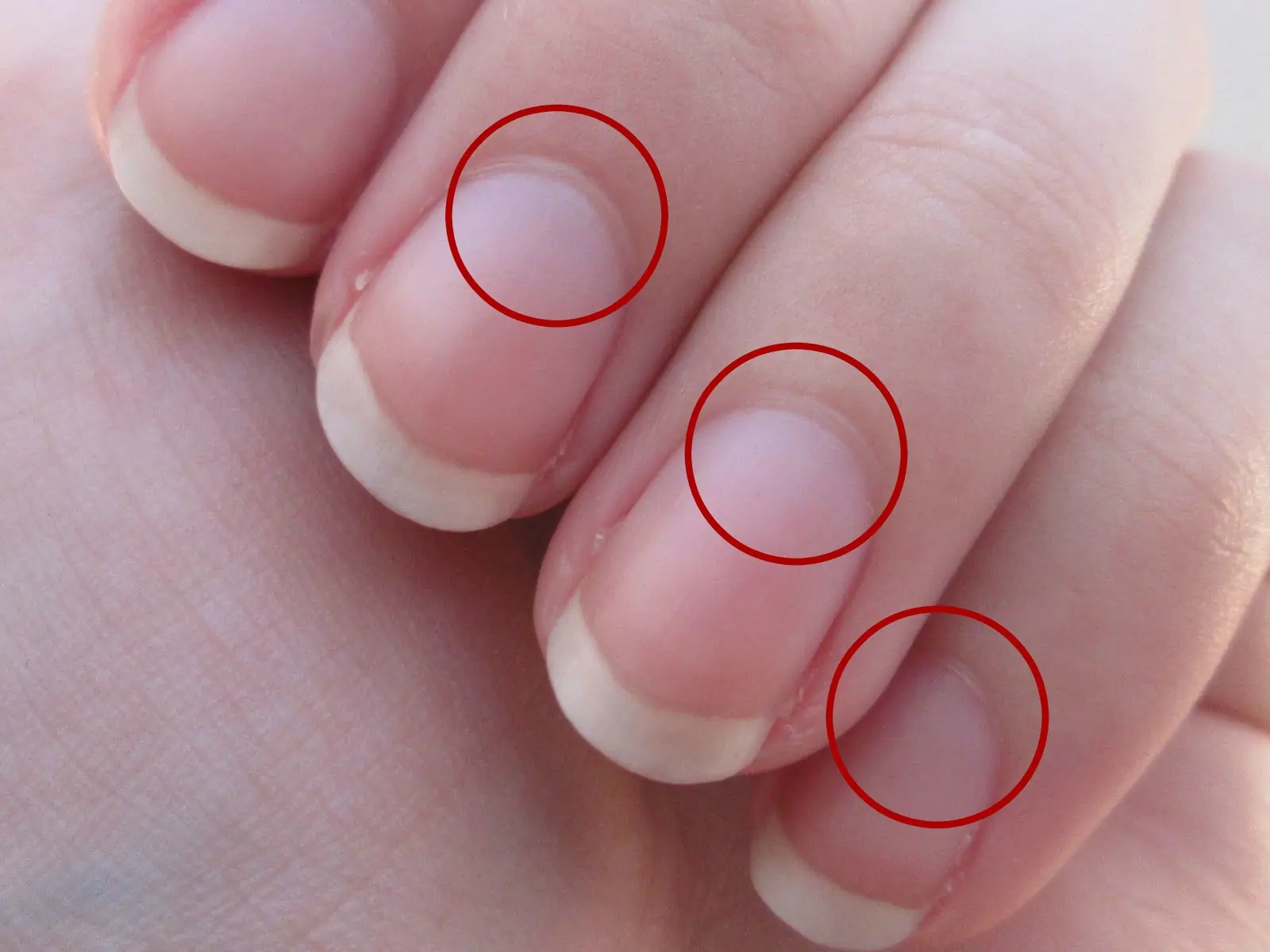
The lunula—derived from the Latin word for “little moon”—is the whitish half-moon shape found at the bottom of the nail, just above the cuticle. It’s not decorative; it’s the visible part of the nail matrix, which produces the keratin that makes up the nail plate. Its pale appearance occurs because this section lacks the rich network of blood vessels that color the rest of the nail bed pink.
For some people, the lunula is strikingly visible, especially on the thumbs, while for others, it appears faint or even absent. Age, skin tone, lighting conditions, and genetics all play a role in how noticeable it is. Children and older adults may see it fade naturally over time, and in many cases, that’s entirely normal.
So if your lunula looks small—or even invisible—there’s usually no need for alarm. What matters most is whether it changes in size, shape, or color over time.
When Lunula Changes Might Matter:
While variations in the lunula are often harmless, medical professionals highlight that sudden or consistent changes can sometimes signal health imbalances. The key is not to panic at one nail’s appearance but to watch for trends across multiple fingers and persistent alterations.
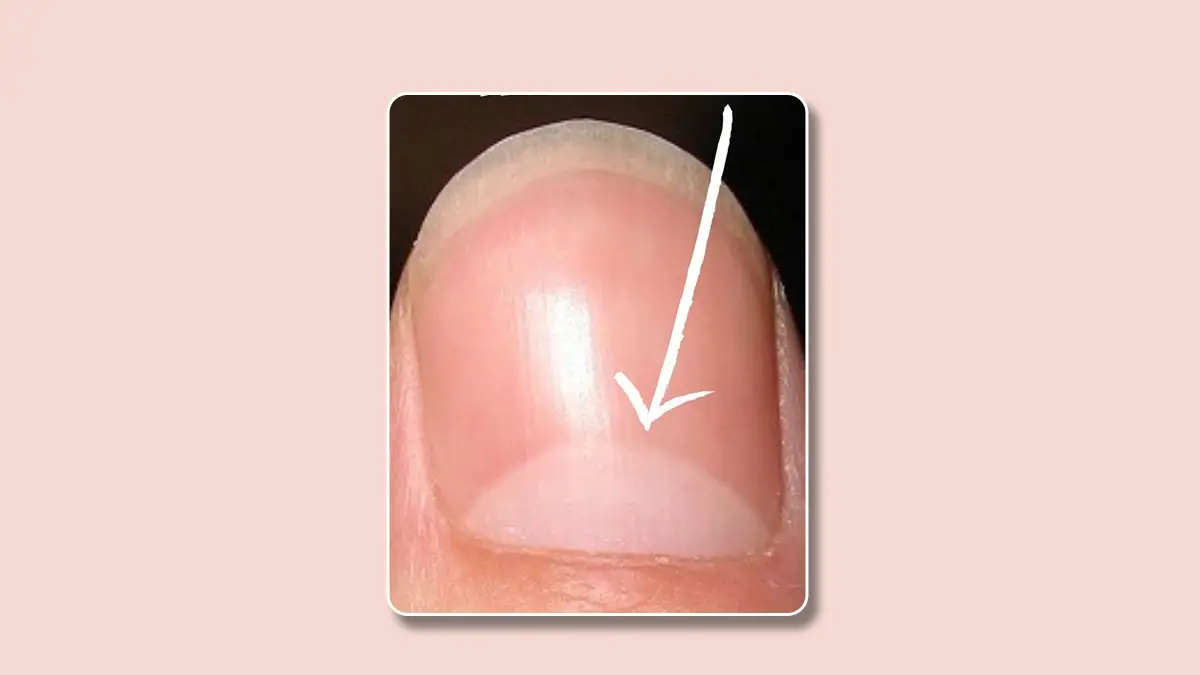
Enlarged Lunulae:
If your lunula expands dramatically, covering more than one-third of the nail, it could be associated with conditions such as:
- Hyperthyroidism (an overactive thyroid gland)
- High blood pressure
- Cardiovascular strain or stress
Importantly, enlargement should be observed across several nails and over time before raising concern.
Disappearing Lunula:
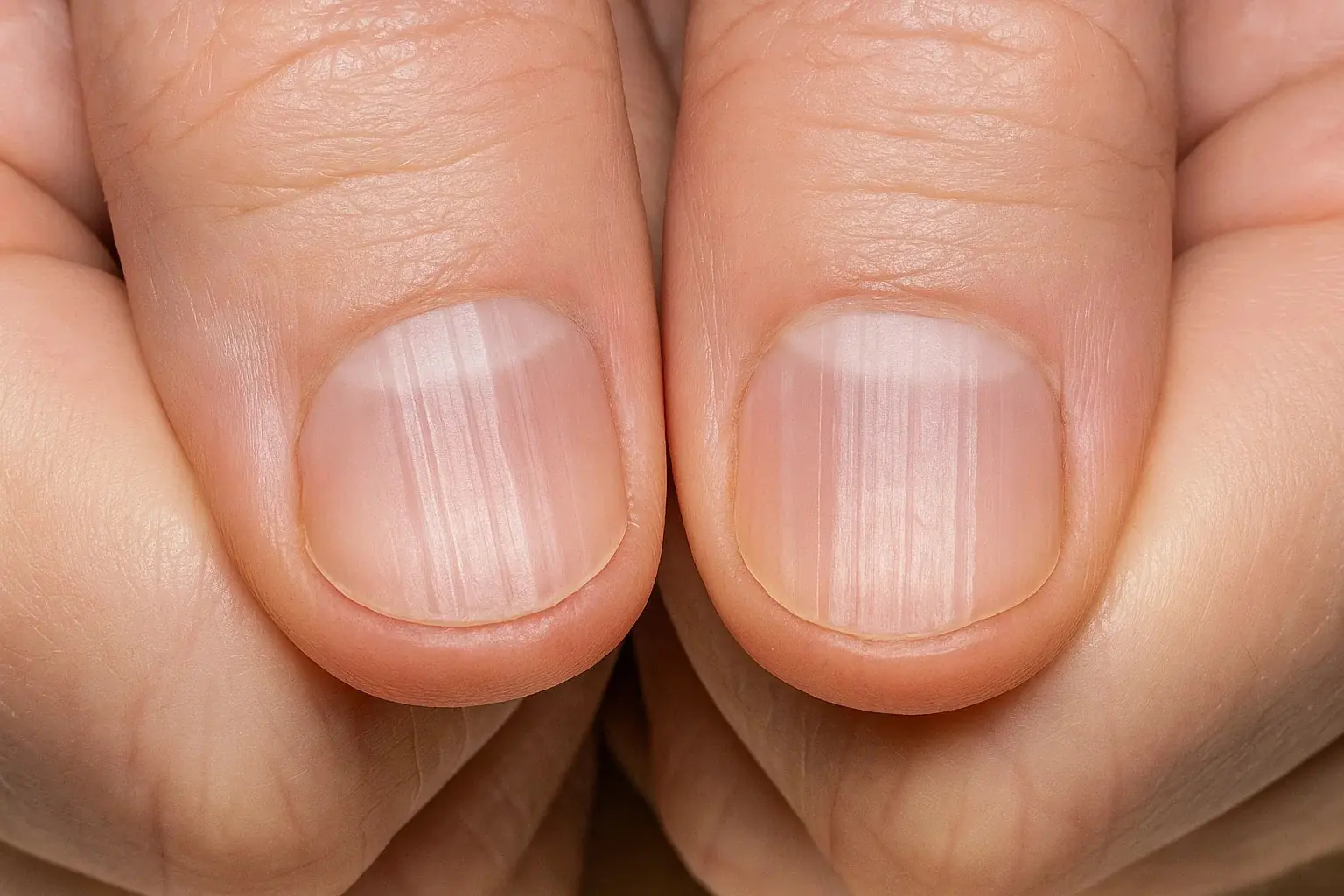
In some cases, a lunula that seems to vanish entirely may point to deficiencies or fatigue, including:
- Chronic tiredness or lack of energy
- Iron deficiency
- Vitamin B12 deficiency
If the disappearance occurs on just one nail, it’s usually not meaningful. But if it happens across both hands, especially with other symptoms like pale skin or weakness, a medical check may be worthwhile.
Color Shifts:
The color of the lunula can also provide subtle hints. While natural lighting and temperature changes can alter its look, persistent discoloration deserves attention:
- Bluish or purplish lunula may signal poor oxygen circulation.
- Grayish or pale lunula could reflect reduced blood flow or medication side effects.
- Red or blotchy lunula may suggest inflammation, vascular issues, or infection.
A dermatologist’s evaluation is recommended if discoloration continues or spreads.
What Your Nails Reveal About Lifestyle:
Like skin and hair, nails reflect more than cosmetic beauty—they mirror internal health. A healthy, clearly visible lunula often correlates with:
- A nutrient-rich diet full of protein, iron, zinc, and B vitamins
- Balanced hormone function
- Manageable stress levels
On the other hand, fading lunulae may result from:
- Restrictive or crash diets
- Poorly balanced vegetarian or vegan eating patterns
- Chronic stress and emotional exhaustion
- Hormonal changes during menopause, postpartum recovery, or medical treatments
In short, your lifestyle choices and stress levels leave subtle fingerprints on your nails.
When It’s Time to Seek Professional Advice:
While lunula changes rarely indicate emergencies, they can act as early prompts to pay closer attention. You should consider visiting a healthcare provider if the lunula:


0 Comment:
Post a Comment